

لا يتكون تدفق النافورة الأملس، الذي يشبه الزجاج، بفعل ضغط الماء وحده؛ إذ يعتمد مظهره على ظروف الجريان داخل الفوهة، واستقرار الماء عند خروجه منها، والاضطرابات التي يواجهها أثناء انتقاله في الهواء.
يُعد عدد رينولدز (Re) نقطة انطلاق مفيدة لفهم هذه الظروف. ومع ذلك، لا يمكنه بمفرده التنبؤ بالمظهر البصري للنفاثة الصفائحية في النافورة. يجب أيضاً مراعاة تصميم الفوهة، والاضطراب في التدفق قبل الفوهة، والتوتر السطحي، وظروف التشغيل.
توضح هذه المقالة كيفية حساب عدد رينولدز، وسبب ضرورة تفسير الحدود التقليدية لتدفق السوائل داخل الأنابيب بحذر، والجوانب التي ينبغي للمهندسين دراستها عند تصميم النفاثات الصفائحية والنفاثات القافزة في النوافير.
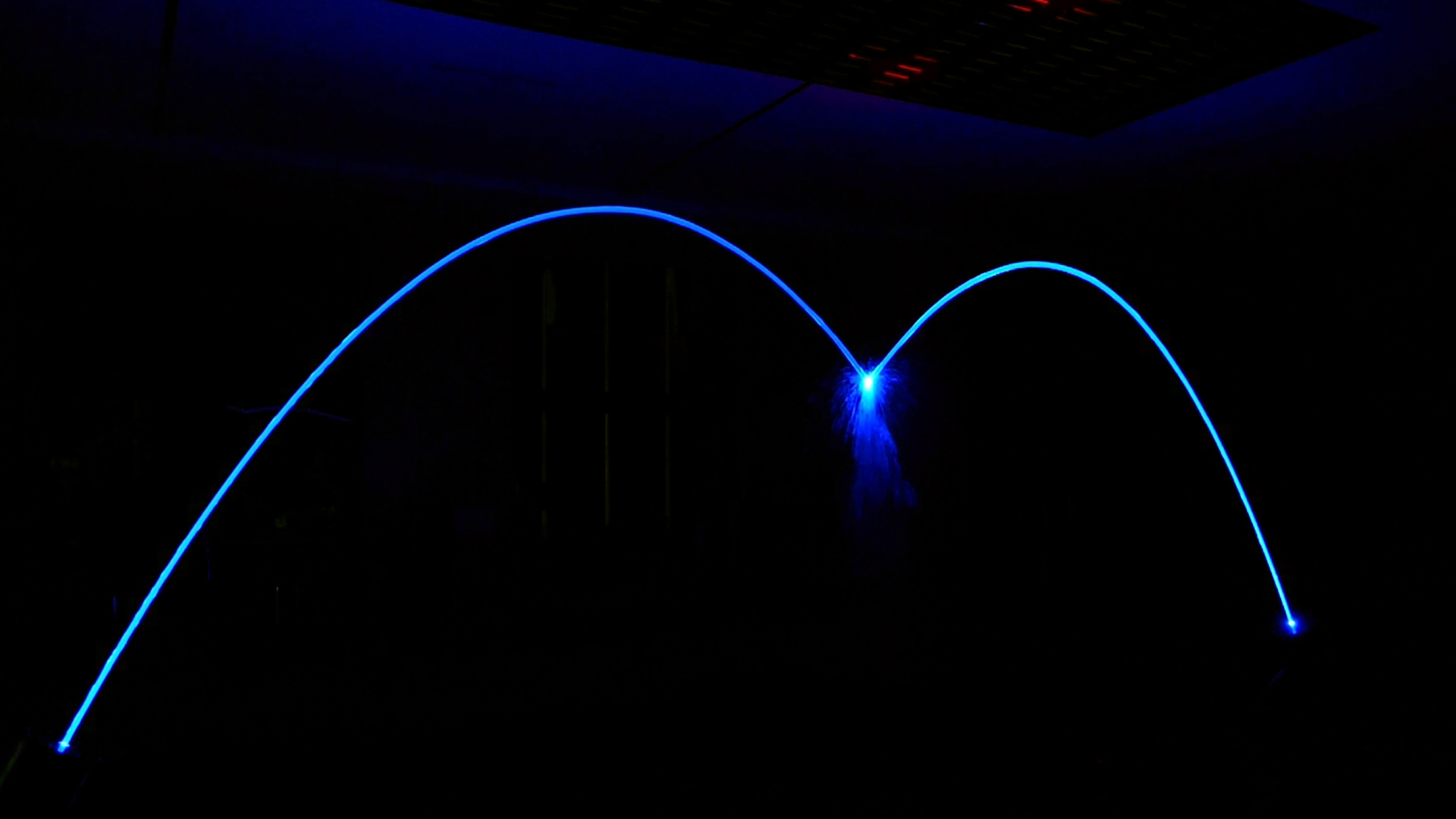
ما هو رقم رينولدز في هيدروليكا النوافير؟
رقم رينولدز هو كمية لا بُعدية تصف العلاقة بين التأثيرات القصور الذاتيّة والتأثيرات اللزوجية في مائعٍ جارٍ.
ببساطة، يساعد هذا المهندسين على فهم كيفية سلوك التدفق في ظل مزيجٍ معين من السرعة، والبعد المميز، ولزوجة المائع.
بالنسبة للمياه التي تتدفق عبر أنبوب دائري، يُستخدم رقم رينولدز عادةً للتمييز بين الجريان الصفائحي، والجريان الانتقالي، والجريان المضطرب.
| رقم رينولدز | التصنيف التقليدي لجريان الأنابيب |
|---|---|
| أقل من 2000–2300 تقريباً | رقائقي |
| ما يقارب 2300-4000 | انتقالي |
| أكثر من 4000 تقريبًا | مضطرب |
تُعد هذه النطاقات بمثابة إرشادات تقريبية لتدفق السوائل داخل الأنابيب. وتعتمد نقطة الانتقال الفعلية على الاضطرابات عند المدخل، وهندسة الأنبوب، وظروف التشغيل.
لا ينبغي استخدامها كحدود قبول عامة لمظهر تدفق المياه (النافورة) بعد خروجه من الفوهة.
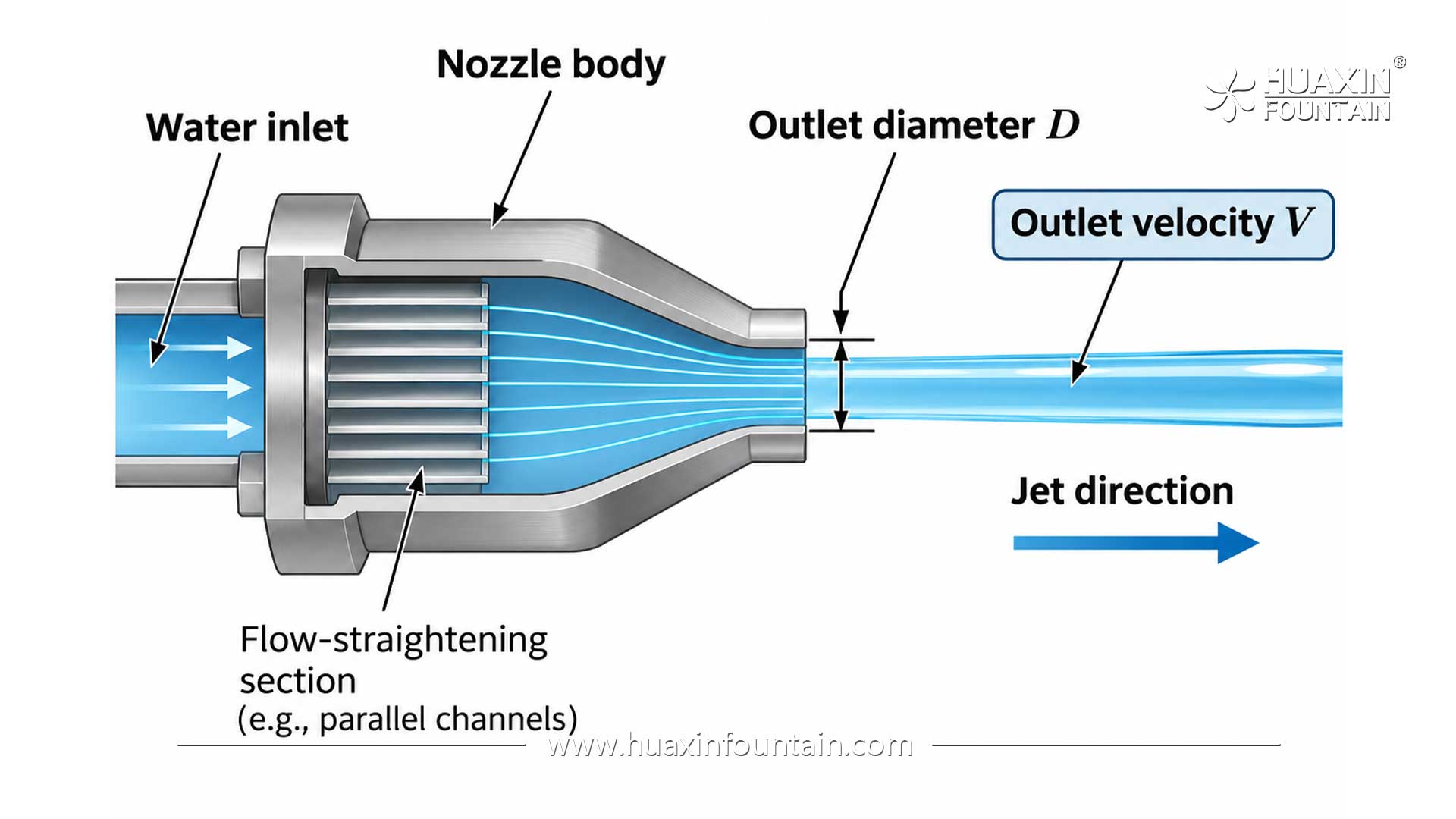
لا يقتصر عمل فوهة النافورة على مجرد تدفق مكتمل التطور داخل الأنابيب؛ إذ يمر الماء عبر مسارات داخلية، ويغير اتجاهه أو مساحة مقطعه العرضي، ليتحول في النهاية إلى تيار مائي حر محاط بالهواء.
يتأثر سطح الماء الناتج بظروفٍ لا يصفها رقم رينولدز واحدٌ وصفاً كاملاً.
كيفية حساب رقم رينولدز لتيار نافورة مائية
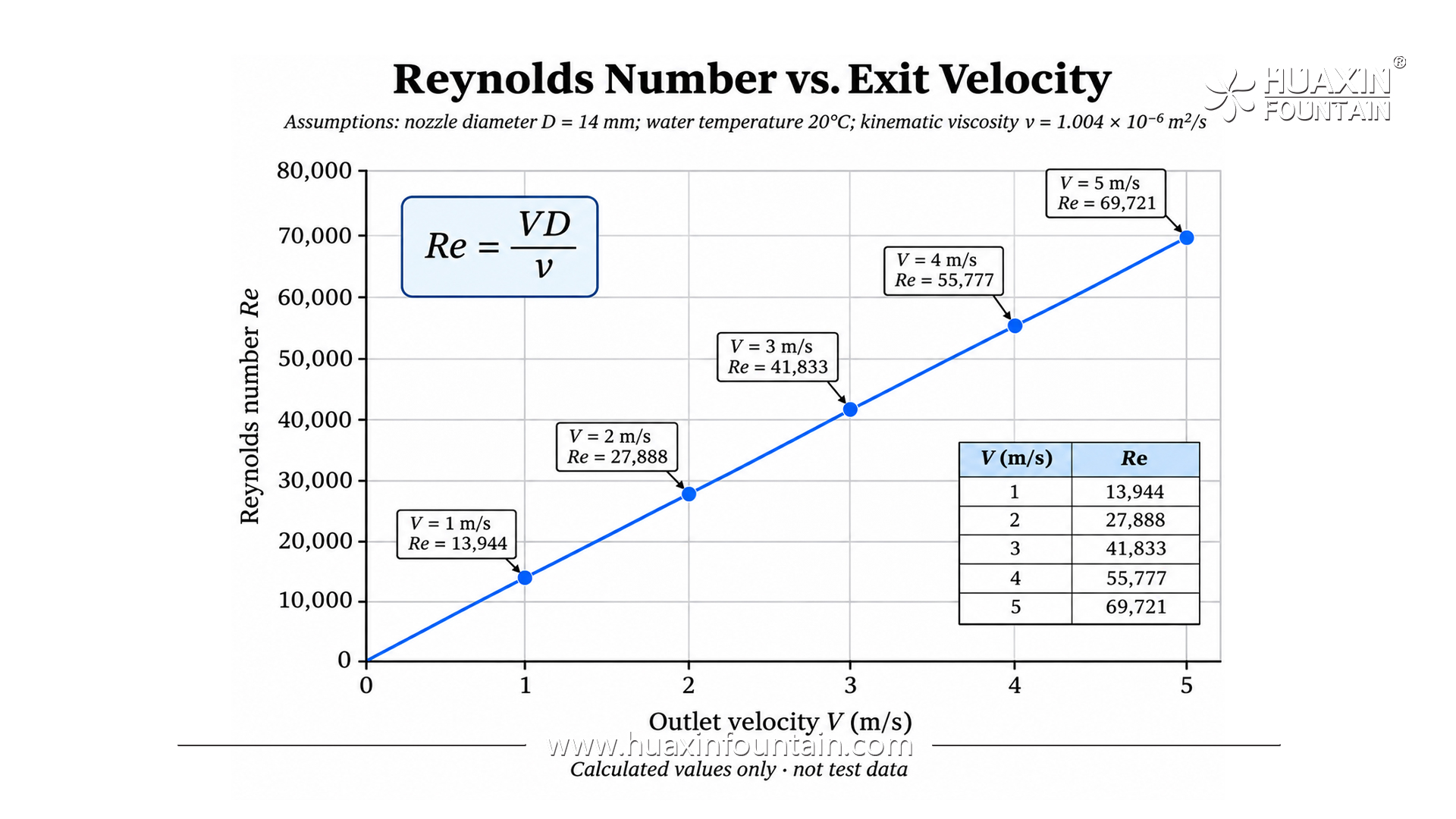
المعادلة شائعة الاستخدام هي:
Re = VD / ν
توجد صيغة مكافئة باستخدام اللزوجة الديناميكية، وهي:
Re = ρVD / μ
أين:
Re = رقم رينولدز (بلا أبعاد)
V = متوسط سرعة المياه (م/ث)
D = القطر المميِّز (م)
ν = اللزوجة الحركية للماء (م²/ث)
ρ = كثافة الماء (كجم/م³)
μ = اللزوجة الديناميكية للماء (باسكال·ثانية)
بالنسبة لتيار مائي دائري الشكل تقريباً، يمكن استخدام القطر الاسمي للمخرج كقطر مميز لإجراء حساب أولي.
عند درجة حرارة 20 مئوية، تبلغ اللزوجة الحركية للماء تقريباً:
ν = 1.004 × 10⁻⁶ m²/s
عند استخدام هذه المعادلة، يجب أن تكون جميع الكميات ذات وحدات متسقة.
ثمة تمييز مهم، وهو أن ليس بالضرورة أن يكون قطر وصلة مدخل الفوهة مساوياً لقطر مخرج النفث.إن استخدام وصلة مدخل من نوع DN40 لفوهة ذات مخرج بقطر 14 مم سيؤدي إلى تقدير غير دقيق لعدد رينولدز عند المخرج.
حساب عملي: نافورة مائية (فوهة 14 مم)
لنتأمل فوهةً توضيحيةً تعمل في ظل الظروف التالية:
| مُعامل | قيمة |
|---|---|
| درجة حرارة الماء | 20°C |
| قطر مخرج النفث | 14 mm (0.014 m) |
| متوسط سرعة المخرج | 5.0 m/s |
| اللزوجة الحركية | 1.004 × 10⁻⁶ m²/s |
بالتعويض عن القيم:
Re = (5.0 × 0.014) / (1.004 × 10⁻⁶)
Re ≈ 69,700
بالنسبة لمخرج دائري واحد ممتلئ، فإن معدل التدفق النظري المقابل هو:
Q = (πD² / 4) × V
Q ≈ 2.77 m³/h
يستخدم هذا المثال ظروف تشغيل افتراضية لأغراض التوضيح فقط. ولا تمثل النتائج المعروضة قياسات فعلية لأداء فوهة محددة من Huaxin.
إن رقم رينولدز المحسوب أعلى بكثير من النطاق المعتاد للجريان الصفائحي داخل الأنابيب.
هل يعني هذا أن الماء يجب أن يتحول فوراً إلى رذاذ؟
ليس بالضرورة.
تشير القيمة المحسوبة إلى القوة النسبية للتأثيرات القصورِيّة واللزجة. وهي لا توضح، بحد ذاتها، مدى سلاسة سطح التيار النفاث أو المسافة التي سيقطعها التيار قبل أن يتفكك.
كما يؤثر كل من توزيع السرعة الابتدائي، والاضطرابات الداخلية، وهندسة الفوهة، وظروف الهواء المحيط على النتيجة.
لماذا لا يكفي رقم رينولدز المنخفض لضمان الحصول على تدفق شبيه بالزجاج؟
تشير بعض المراجع التقليدية لتصميم النوافير إلى أن عدد رينولدز الأقل من 500 يُعد شرطاً ملائماً للحصول على عمود مائي شفاف ذي مظهر انسيابي صفائحي.
قد يرتبط انخفاض رقم رينولدز بالفعل بتدفق منتظم في ظل ظروف معينة. ومع ذلك، لا ينبغي اعتبار عدد رينولدز (Re) الأقل من 500 متطلباً عاماً ينطبق على جميع معدات النوافير الصفائحية التجارية..
لنتأمل مثال المخرج ذي القطر 14 مم المذكور سابقاً.
للحفاظ على رقم رينولدز عند 500 عند درجة حرارة 20 درجة مئوية، يجب أن تكون سرعة الخروج المتوسطة تقريبًا 0.036 m/s.
إن سرعةً منخفضةً كهذه ستوفر قدراً ضئيلاً جداً من الزخم اللازم لتكوين قوس مائي كبير.
تتطلب تصاميم النوافير العملية سرعة خروج كافية للوصول إلى الارتفاع ونقطة الهبوط المحددين.
وهذا يُنشئ تمييزاً مهماً بين فكرتين:
تصنيف التدفق الهيدروليكي
وصف علمي لحركة الموائع، يستند إلى شروط محددة ومعايير قابلة للقياس تتعلق بالجريان.
التماسك البصري للنفث
الاستمرارية المرئية وسلاسة السطح لعمود من الماء أثناء انتقاله عبر الهواء.
يمكن أن يوجد تدفق متسق عبر مسافة محدودة، حتى عندما يكون رقم رينولدز الخاص به أعلى من النطاق المرتبط تقليديًا بالتدفق الصفائحي داخل الأنابيب.
وهذا لا يعني بالضرورة أن الجريان طبقي بالمعنى العلمي الدقيق، كما لا يعني أنه يمكن تجاهل الاضطراب.
وهذا يعني أنه يجب تفسير رقم رينولدز بالتزامن مع الظروف الفيزيائية للفوهة والتيار النفاث الفعليين.
أظهرت دراسات حول التدفقات المائية النفاثة أن ظروف التدفق في المنبع وهندسة الفوهة يمكن أن تؤثر بشكل كبير على الاضطرابات السطحية، وعلى المسافة التي يظل فيها التدفق النفاث متماسكاً.
بالنسبة لهندسة النوافير، النتيجة المطلوبة ليست مجرد الحصول على رقم رينولدز منخفض عند الحساب، بل هي تحقيق قوس مائي يتسم بالسلاسة والاستقرار الكافيين في ظل ظروف التشغيل المحددة.
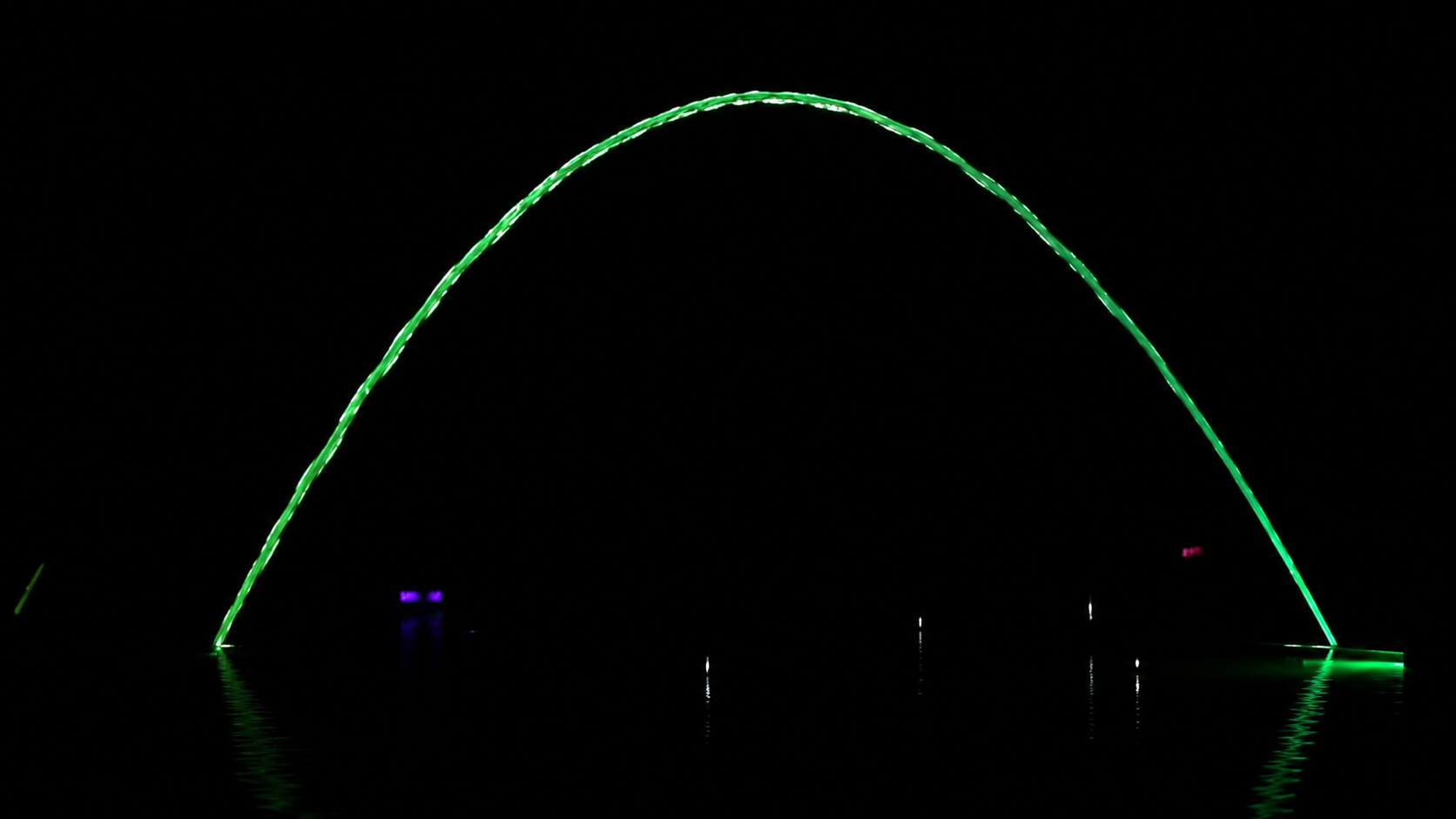
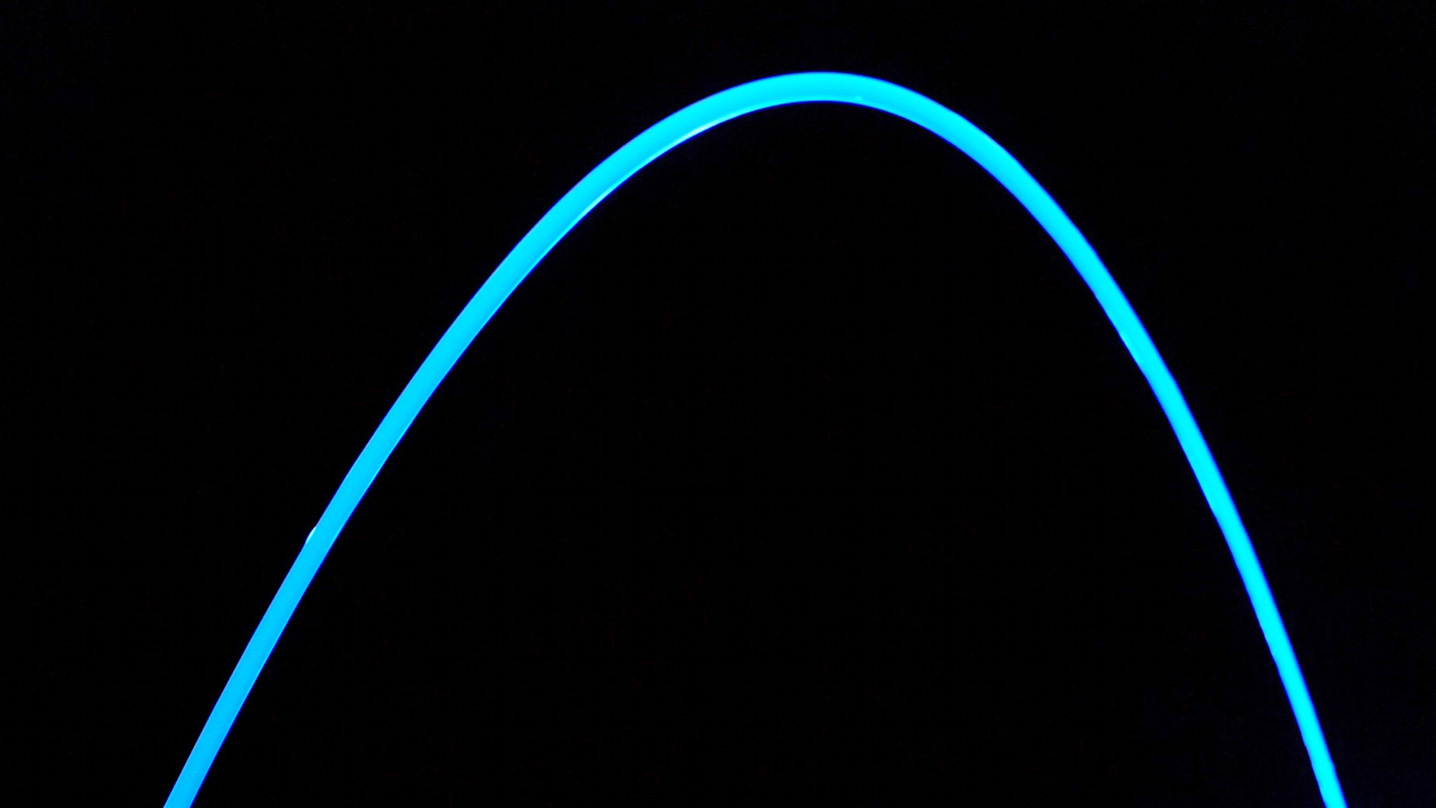
مقارنة بين قوس مائي متصل ومنتظم، وتيار مائي مضطرب بشكلٍ ملحوظ. الصور مخصصة للتوضيح البصري فقط، ولا تمثل اختباراً هيدروليكياً مضبوطاً.
ما الذي يحدد فعلياً جودة تدفق النافورة الصفائحي؟
Several factors influence whether a fountain jet retains its glass-like appearance.
1. Flow Conditioning Inside the Nozzle
Water supplied by a pump may contain velocity fluctuations, swirling motion, and disturbances created by bends, valves, and other components.
A laminar fountain unit is designed to condition the incoming flow before the water reaches the outlet.
Depending on the equipment design, internal passages and flow-straightening elements can help reduce undesirable motion and produce a more controlled exit flow.
The effectiveness of these elements depends on their geometry and on the operating flow rate.
Flow conditioning does not automatically guarantee a fully laminar flow state. Its practical role is to improve the conditions from which the visible water jet forms.
2. Outlet Geometry and Surface Condition
The final outlet shapes the boundary between the water and the surrounding air.
Outlet geometry influences the velocity distribution and the disturbances introduced as water leaves the nozzle.
Uneven surfaces, poor alignment, or damage near the outlet can affect jet symmetry and produce visible irregularities.
The outlet should therefore be evaluated as a hydraulic component, not simply as a hole with a specified diameter.
3. Stable Water Supply
A nozzle with effective internal flow conditioning can still produce an unstable arc if the upstream supply fluctuates excessively.
Potential sources of disturbance include:
The pump, pipework, valves, and nozzle must be considered as a connected system.
For equipment selection, the listed pump head should not be confused with the actual velocity at the nozzle outlet. The final hydraulic calculation must account for system losses and operating conditions.
4. Water Quality and Entrained Air
Water clarity and hydraulic stability are related but different issues.
Suspended particles may reduce optical clarity, even if the jet surface is smooth. Entrained air bubbles can scatter light and disturb the visible appearance of the stream.
Filtration, water circulation, and the prevention of unwanted air entry therefore play important roles in maintaining the effect.
A fountain can have a mechanically stable jet and still appear cloudy because of water-quality problems.
5. Environmental Conditions
Once water leaves the nozzle, it is exposed to gravity, air resistance, and wind.
Surface disturbances may grow as the jet travels. Eventually, the continuous water column can break into droplets.
A fountain jet that appears smooth near the outlet may show waves or breakup farther along its arc.
This is why performance should be observed over the entire required trajectory, rather than only at the nozzle exit.
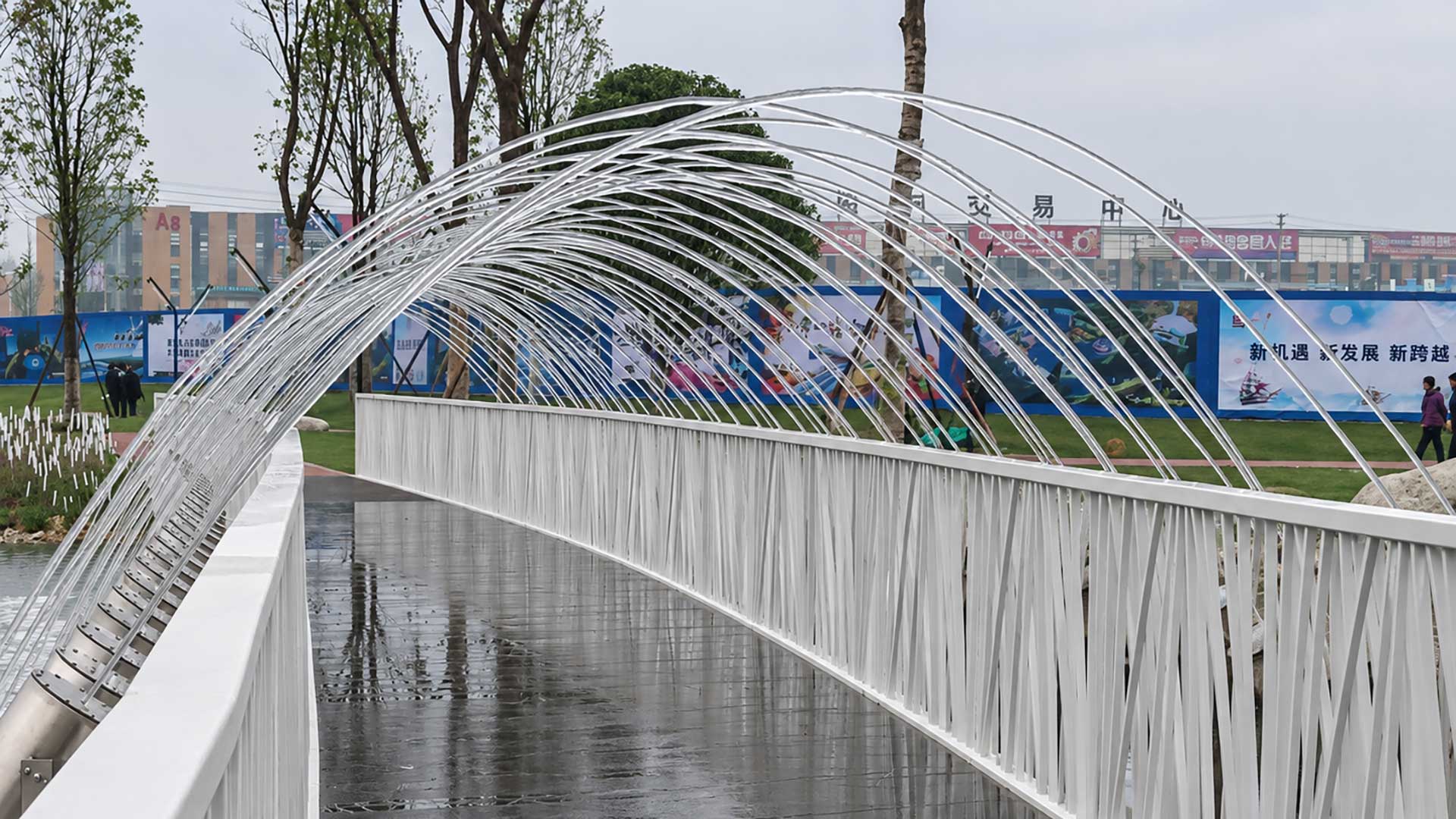
رقم رينولدز ليس المعامل الوحيد: دور التوتر السطحي
Reynolds number compares inertial and viscous effects. It does not directly describe the balance between inertia and surface tension at the water-air interface.
For that purpose, engineers may also consider the Weber number (We):
We = ρV²D / σ
Where σ is the surface tension of water (N/m).
Surface tension helps resist deformation of the water surface. Disturbances can grow along a liquid jet and contribute to its eventual breakup.
The breakup process depends on several interacting factors, including the initial disturbance level, velocity, jet diameter, viscosity, and surrounding air conditions.
Neither Reynolds number nor Weber number alone gives a universal prediction of the visible continuous length of every fountain nozzle.
For a project requiring a long, clear water arc, numerical calculations provide a starting point. Actual jet observations under representative conditions are also important.
كيف ينطبق هذا على نوافير المياه المتدفقة على شكل قفزات؟
A conventional laminar fountain jet is intended to form a continuous water arc.
A jumping fountain jet adds another function: it intentionally divides the water stream into separate sections.
The hydraulic principle behind producing a smooth stream remains relevant. However, an internal cutting mechanism introduces controlled interruptions to create the jumping effect.
The cutting sequence determines when water is separated. The hydraulic system determines how the water behaves before, during, and after those interruptions.
For a successful jumping effect, engineers should examine three aspects:
Stream quality before cutting. The water should form a sufficiently stable and defined arc under the operating conditions.
Segment formation. The cutting mechanism must produce the intended separation and timing without excessive irregularity.
Recovery after cutting. The water stream should return to its intended continuous shape between cutting events, within the required sequence.
This distinction is important. A jumping jet is not simply an ordinary fountain nozzle with faster pump switching.
Huaxin’s نوافير المياه القافزة use an internal cutting mechanism to produce separated water segments. Standard, submersible, and laser-illuminated configurations are available for different project layouts.
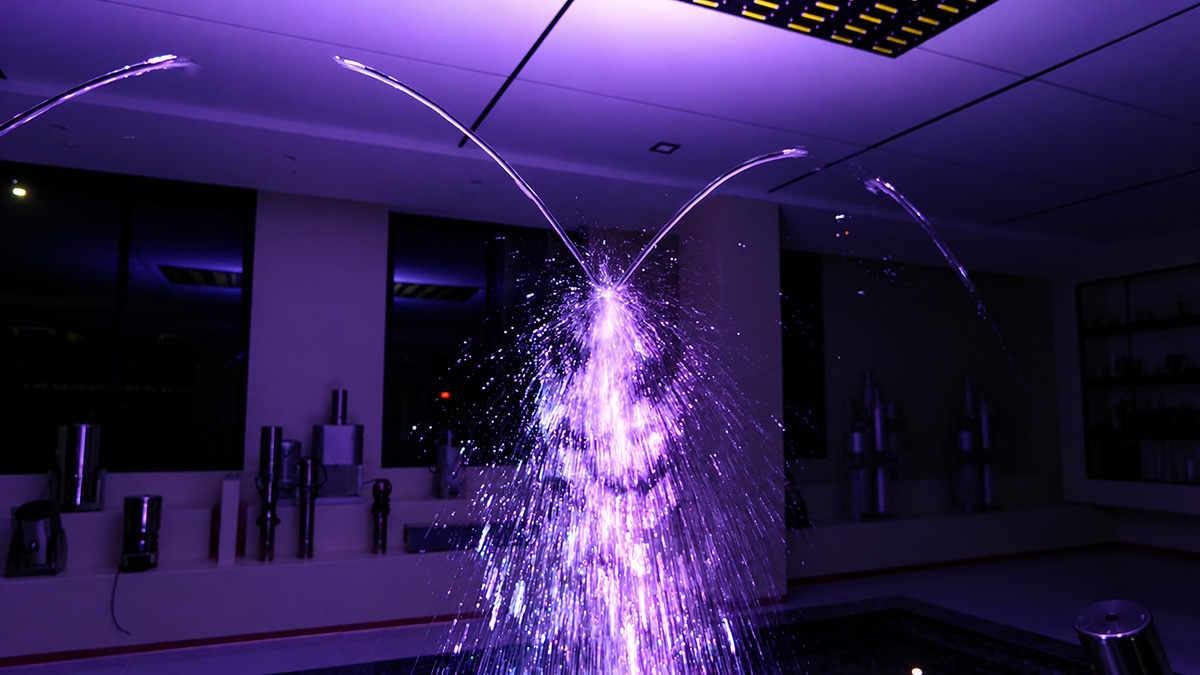
هل تُغيِّر الإضاءةُ المتطلباتِ الهيدروليكية؟
Lighting changes how a water arc is perceived, but it does not eliminate the need for stable hydraulic conditions.
A smooth water-air interface can help preserve a visually defined illuminated stream. Irregular surfaces, bubbles, and droplets can scatter light and change its appearance.
For this reason, a brighter light source cannot always compensate for an unstable water jet.
A laser-illuminated configuration may improve the visibility of the water effect under certain viewing conditions. Its actual appearance still depends on the interaction of the light source, water quality, flow stability, and surrounding illumination.
Huaxin offers نوافير التدفق الصفائحي in standard, submersible, and laser-illuminated versions.
Selection should be based on the desired visual result and the hydraulic and installation conditions, rather than lighting output alone.
كيف ينبغي للمهندسين تقييم أداء التدفق الصفائحي (Laminar Jet)؟
Calculating the Reynolds number is useful during preliminary hydraulic analysis. But practical evaluation should go further.
A structured evaluation can include the following checks.
| Evaluation item | What should be examined? |
|---|---|
| Outlet conditions | Jet diameter, actual flow rate, and operating pressure |
| Water arc | Height, span, landing position, and surface continuity |
| Visual quality | Transparency, surface irregularities, visible droplets |
| Flow stability | Sensitivity to pump fluctuation and air entrainment |
| Operating range | Performance at relevant flow settings |
| Jumping sequence | Segment consistency, timing, and stream recovery |
| Site conditions | Wind exposure, water quality, water level, and viewing conditions |
Testing should be carried out under documented conditions.
A useful test record identifies the nozzle configuration, water temperature, flow rate, pressure measurement location, and observed jet behavior.
For jumping jets, video is particularly valuable because static photographs cannot show cutting timing and recovery reliably.
For project-specific designs, the target height and span also need to be coordinated with the overall fountain layout.
أسئلة هندسية متكررة
No. Re below 500 is not a universal requirement for commercial laminar fountain jets. A nozzle must be evaluated using its actual hydraulic conditions, flow quality, and required visual performance.
No. A high Reynolds number indicates stronger inertial effects relative to viscous effects. Jet breakup also depends on the initial disturbances, nozzle geometry, surface tension, and surrounding conditions.
Possible causes include entrained air, suspended particles, unstable water supply, outlet contamination, or excessive disturbances within the water stream. These conditions should be investigated individually.
No. Nozzle selection also requires the target jet height, span, outlet diameter, flow rate, pressure conditions, water level, installation arrangement, and any lighting or jumping functions.
خلاصة هندسية
Reynolds number is an important hydraulic parameter, but it should not be treated as a direct measure of fountain water clarity.
A glass-like fountain jet depends on the combined behavior of the nozzle, water supply, free jet, and surrounding environment.
For continuous laminar arcs, the engineering goal is a stable and visually defined stream over the required distance. For jumping jets, consistent segment formation and controlled recovery must also be considered.
The most reliable design approach combines hydraulic calculations, suitable equipment geometry, and practical performance verification.
Huaxin Fountain manufactures أنظمة النوافير الصفائحية والنوافير القافزة for commercial fountain projects and programmed water shows. Project-specific equipment selection should be based on the intended effect, operating conditions, and installation requirements.
For further technical and project-planning guidance, visit the Huaxin Fountain Knowledge Center.
المراجع الفنية
1. National Institute of Standards and Technology (NIST). Guide to the SI, Chapter 8. Reference for viscosity units and symbols.
2. Sengers, J. V., and Kamgar-Parsi, B. (1984). Representative Equations for the Viscosity of Water Substance. Journal of Physical and Chemical Reference Data, 13(1), 185–205.
3. Falvey, H. T. (1980). Air-Water Flow in Hydraulic Structures. Engineering Monograph No. 41, U.S. Bureau of Reclamation. See the discussion of free-falling water jets.
4. The Effect of Nozzle Design on the Stability and Performance of Turbulent Water Jets. Fire Safety Journal, 1981.
5. A Short Note about the Impact Action of a Water Jet Stabilized by a Coaxial Air Stream in the Air and Underwater. Materials, 2021. Discussion of Reynolds number, Weber number, and liquid-jet breakup.
Technical note: The numerical example in this article is an illustrative calculation, not a certified performance test or acceptance criterion for any specific fountain equipment.
Need Help Selecting a Laminar Fountain Jet?
Share your required jet height, span, installation conditions, and lighting preferences. Huaxin Fountain can help review suitable laminar or jumping jet configurations for your project.
العنوان
الصين، مقاطعة سيتشوان، مدينة نيتشيانغ، منطقة التنمية الاقتصادية، شارع أنتاي رقم 399