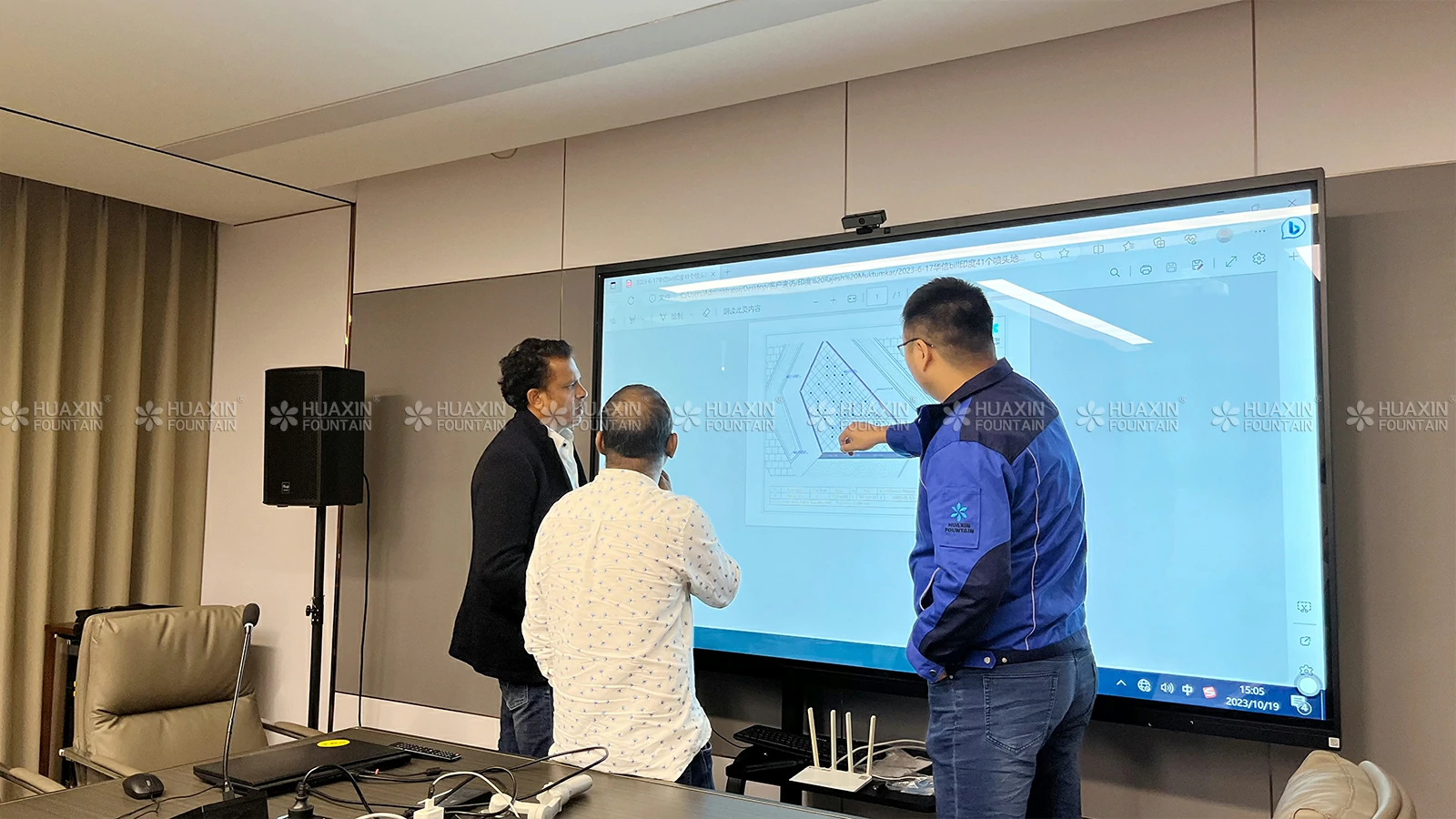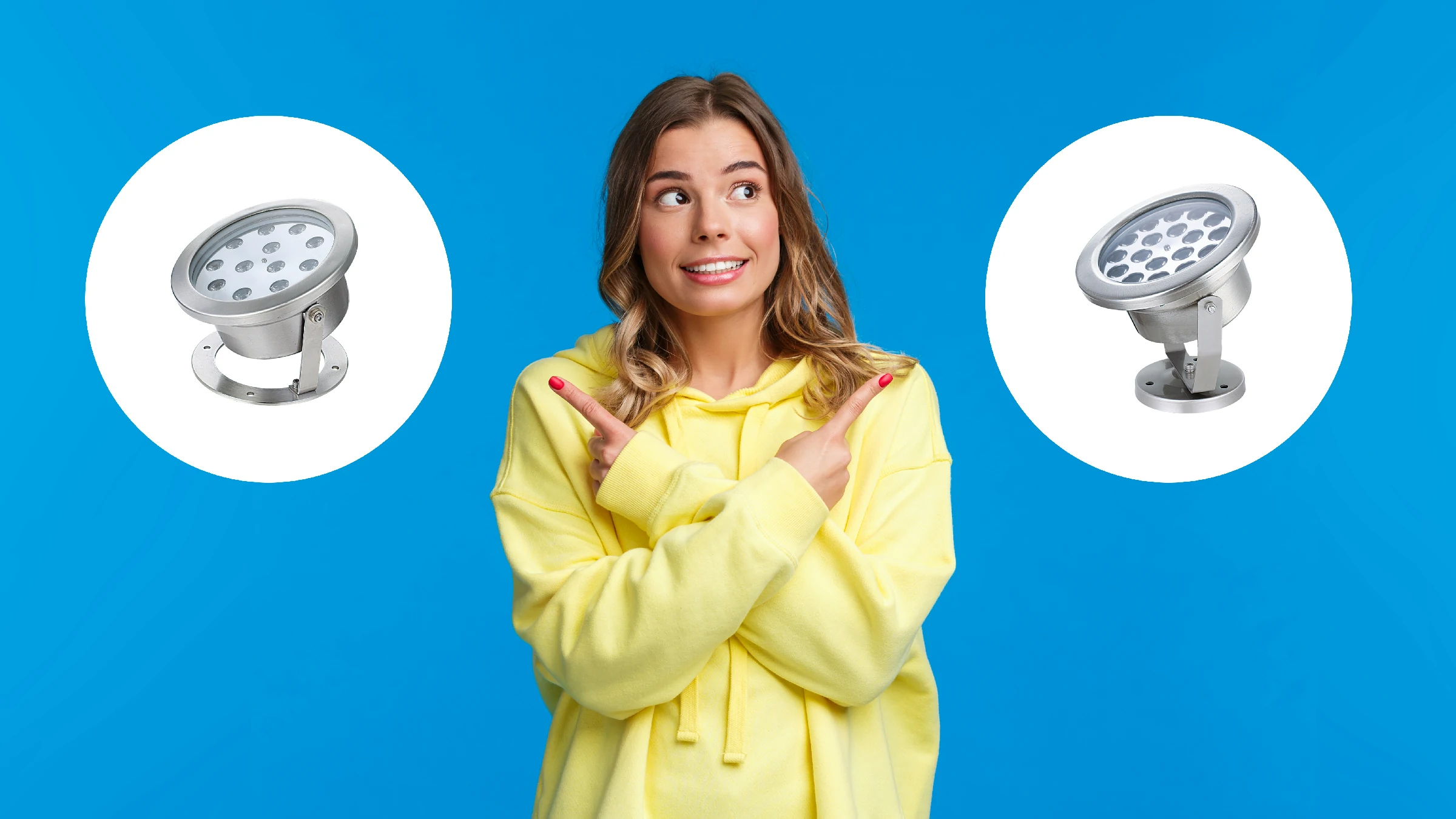

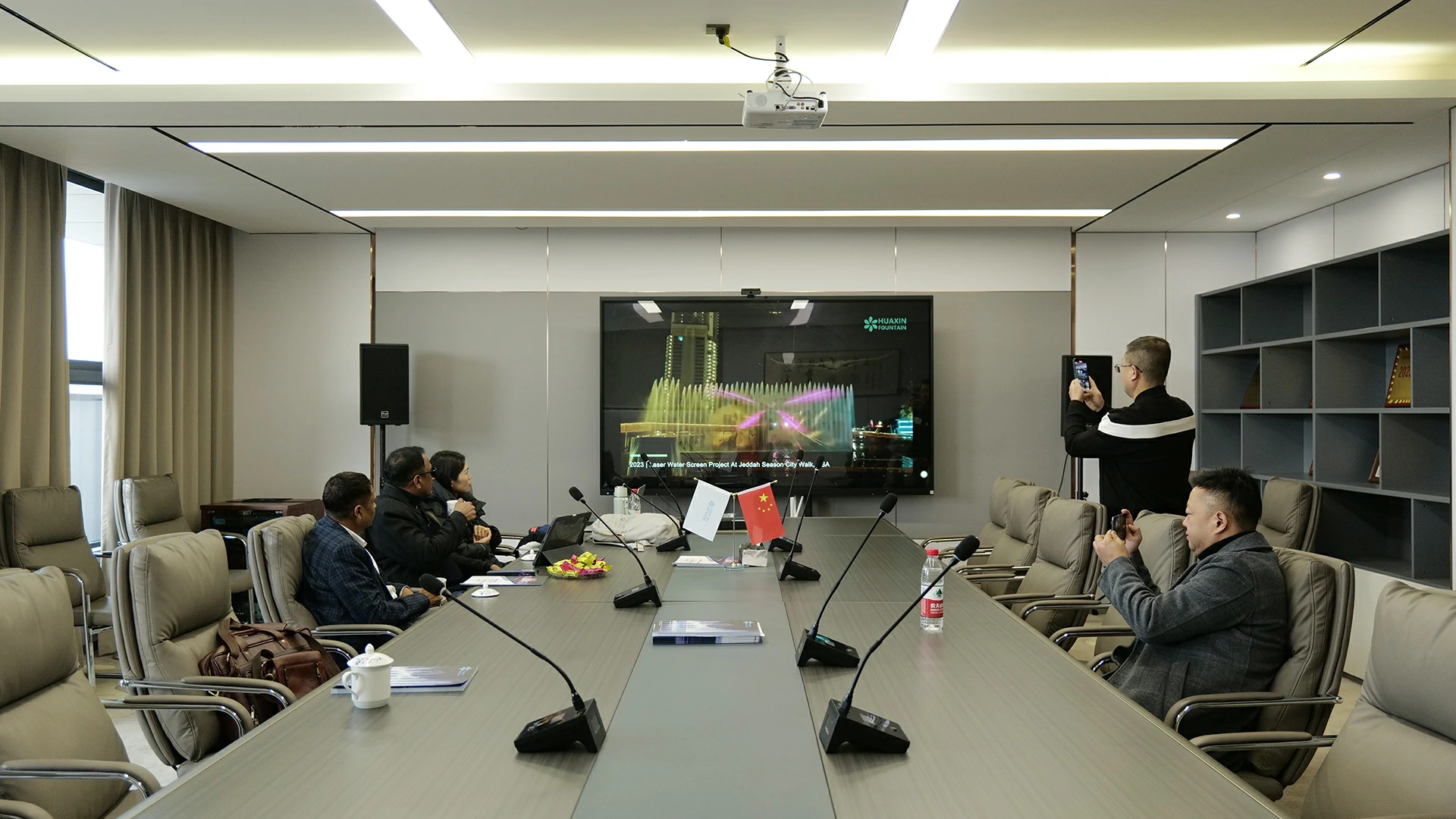
Many clients prefer to work with a local fountain supplier. This is a common and understandable choice. A local company may seem easier to communicate with, easier to visit, and easier to contact when support is needed.
However, in custom fountain projects, local presence is only one part of the decision. It is not always the most important one. A fountain project is not a standard product purchase. It usually involves design coordination, equipment selection, production, control integration, installation planning, testing, and long-term operation considerations.
For this reason, buyers should look beyond location alone. What often matters more is whether the supplier has real manufacturing capability, project understanding, and a reliable support structure behind the quotation.
Why Buyers Prefer a Local Fountain Supplier
There are practical reasons why clients often ask about a local office, local agent, or local supplier before moving forward.
In many cases, buyers want faster communication. They also want to reduce project risk. They may assume that a local fountain supplier can provide quicker site visits, easier after-sales service, and more convenient coordination with contractors or project teams.
These concerns are reasonable. In fountain projects, delayed communication, unclear technical responsibility, or weak after-sales support can create real problems. This is why local presence often feels like a safer option at the early decision stage.
At the same time, local support does not always have to look the same in every market. In some regions, it may be available through a local agent or local partner. In others, support may be provided directly by the manufacturer through structured technical coordination and project-based service. For this reason, buyers should evaluate not only whether local support exists, but also how that support is backed by real technical and manufacturing capability.
A Local Presence Is Helpful, but It Is Not the Same as Real Capability
A local contact point can be useful. It may make meetings easier. It may also improve response speed in some situations. However, buyers should be careful not to treat local presence as the main measure of supplier strength.
In custom fountain projects, the real question is not only who is nearby. The more important question is who can actually support the project from technical planning to equipment delivery and system execution.
Local support may take different forms depending on the market. In some regions, it may come through a local agent or local partner. In others, it may come from direct manufacturer support combined with remote technical coordination, documentation, and project-based service. These support models can all be workable, but they are not equal unless they are backed by real factory capacity, production control, and project understanding.
For this reason, buyers should not confuse local presence with real manufacturing and project capability.
What Matters More Than a Local Fountain Supplier
When choosing a fountain supplier, several factors often matter more than location alone.
Real Factory Capacity
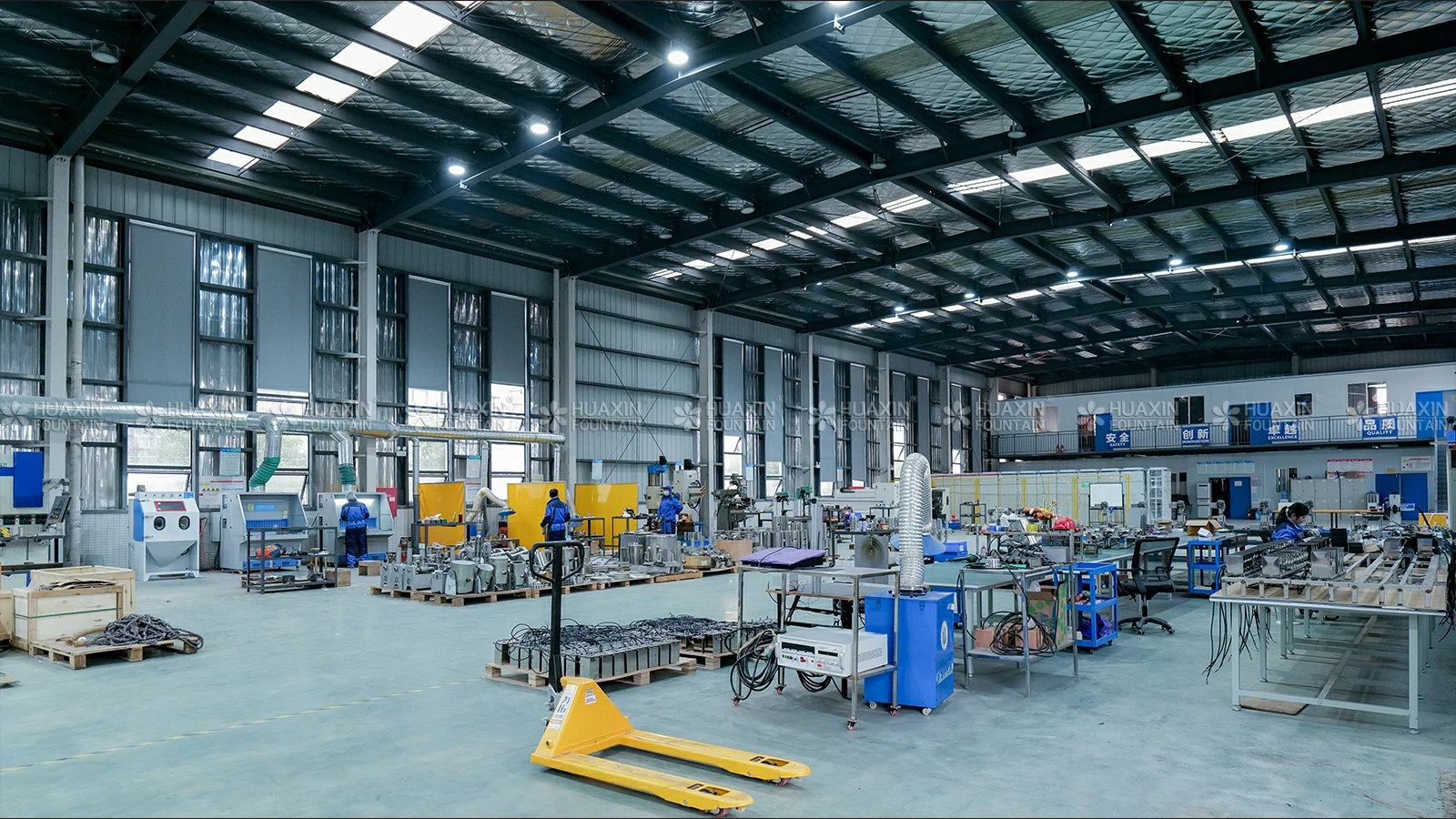
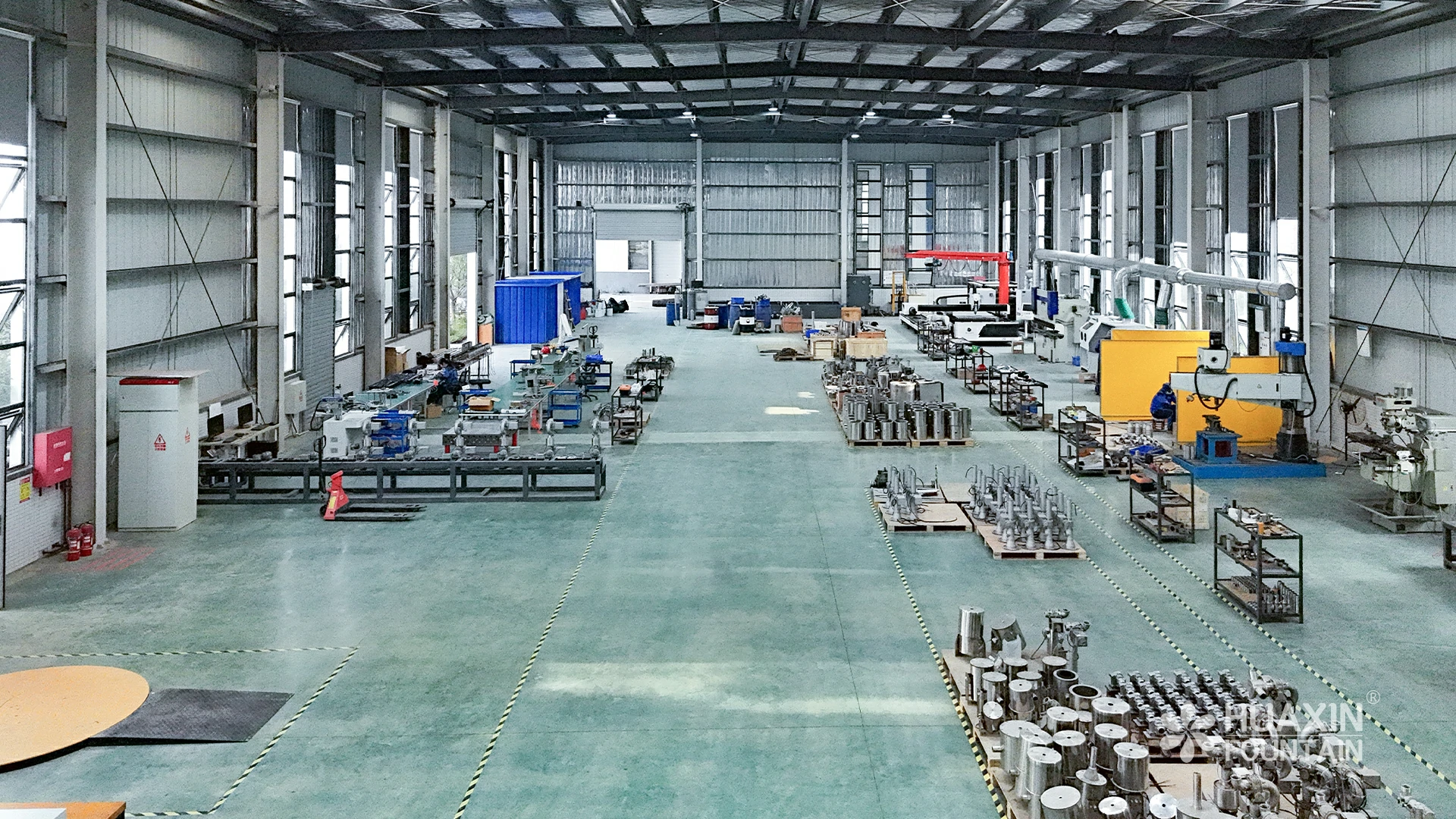
One of the most important factors is whether the supplier has its own factory and production capability. In custom fountain projects, equipment is rarely just selected from a shelf. Nozzle combinations, pump arrangements, control logic, lighting integration, and other technical elements often need to be matched to the actual project.
A supplier with its own factory can usually manage equipment production more directly. This helps improve consistency, configuration control, quality management, and follow-up during manufacturing.
By contrast, local presence without real production capability may still leave the client dependent on external factories or third-party coordination.
Production Lines and Equipment Control
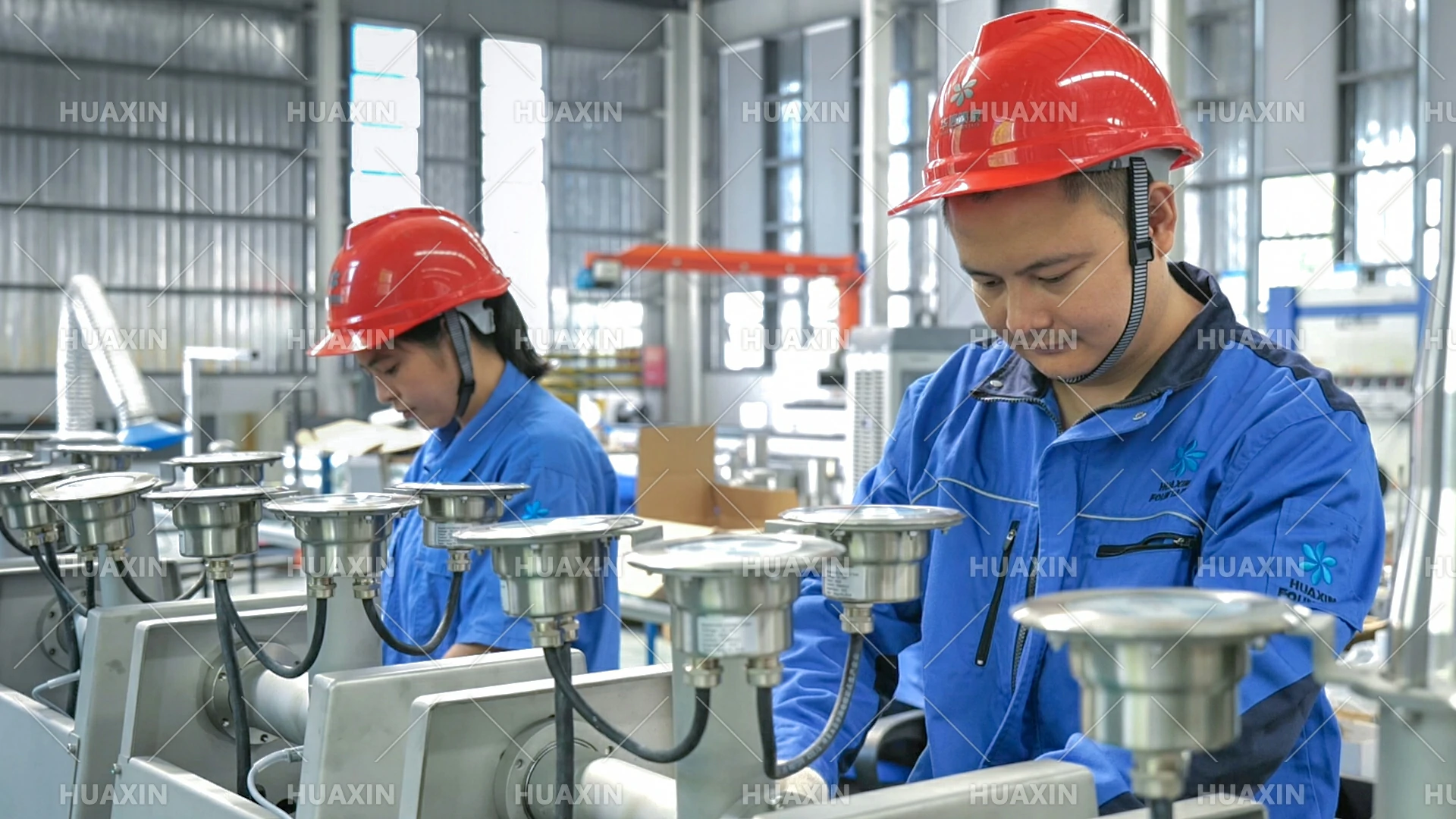
It is also important to know whether the supplier has real production lines behind the quotation. A quotation may look attractive, but the buyer should understand who will actually produce the fountain equipment and how closely the supplier controls that process.
In large musical fountains, dry deck fountains, and multimedia water show projects, production control is not a small detail. It can affect equipment consistency, technical accuracy, replacement compatibility, and delivery reliability.
A supplier with its own production lines is often in a better position to coordinate equipment configuration with project requirements. This is especially valuable in non-standard fountain systems where different devices must work together as one complete system.
Project Understanding, Not Just Product Sales
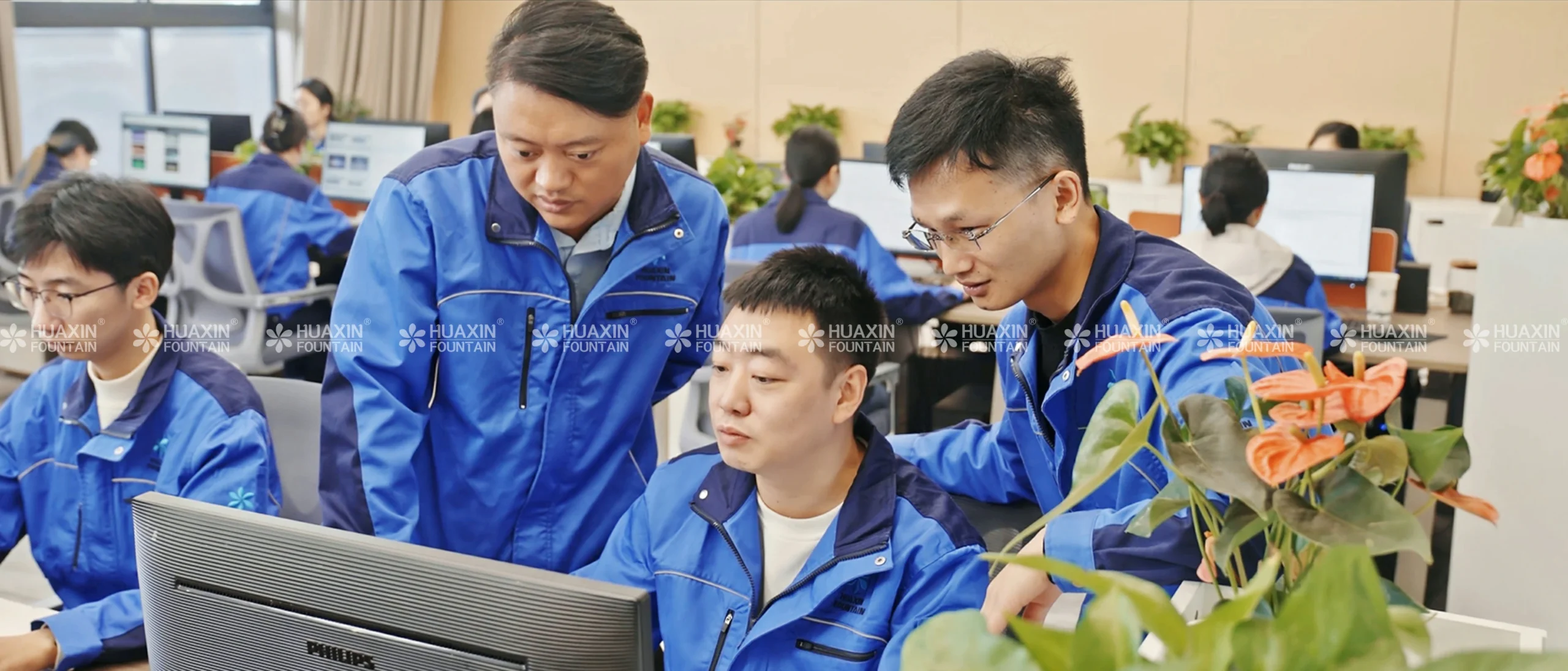
A fountain project is not only about selling pumps, nozzles, or lights. It is about understanding the whole system. That includes the fountain type, visual goals, pool conditions, control requirements, installation environment, maintenance needs, and supply scope.
This is why project understanding often matters more than local presence. A supplier who truly understands fountain engineering can evaluate the relationship between design intent, equipment selection, and system integration. That makes a major difference in both quotation quality and project results.
A local supplier who mainly acts as a trading or contact point may be easy to reach, but may not always have the same level of technical depth behind the quotation.
Clear Technical Responsibility
Another important factor is responsibility clarity. In some projects, clients receive support from a local contact, but the technical decisions, equipment supply, and factory communication are handled elsewhere. This can create confusion if problems appear later.
Who is responsible for equipment confirmation? Who makes the final technical decision? Who follows production details? Who supports commissioning issues? These questions matter more than whether the supplier has an address in the same country.
When the supplier also has direct control over factory production and technical coordination, the responsibility chain is often clearer. That can reduce misunderstanding during project execution and after-sales support.
Support Structure for Overseas Projects
Clients often worry that a supplier without a local office will not be able to support the project well. This concern is understandable. However, local support is only one part of the overall delivery structure.
In practice, support may be organized in different ways depending on the region and the project. In some markets, local agents or partners may already be involved. In others, the project may be supported directly by the manufacturer through technical documents, remote coordination, installation guidance, programming support, and project-based service.
For this reason, buyers should not only ask whether there is a local office or local agent. They should also ask whether the support model is clear, responsive, and backed by real project capability.
Buyers should ask whether the supplier can provide:
These support elements often have a greater impact on real project execution than local presence alone.
Why Factory-Backed Suppliers Can Be More Reliable in Custom Projects
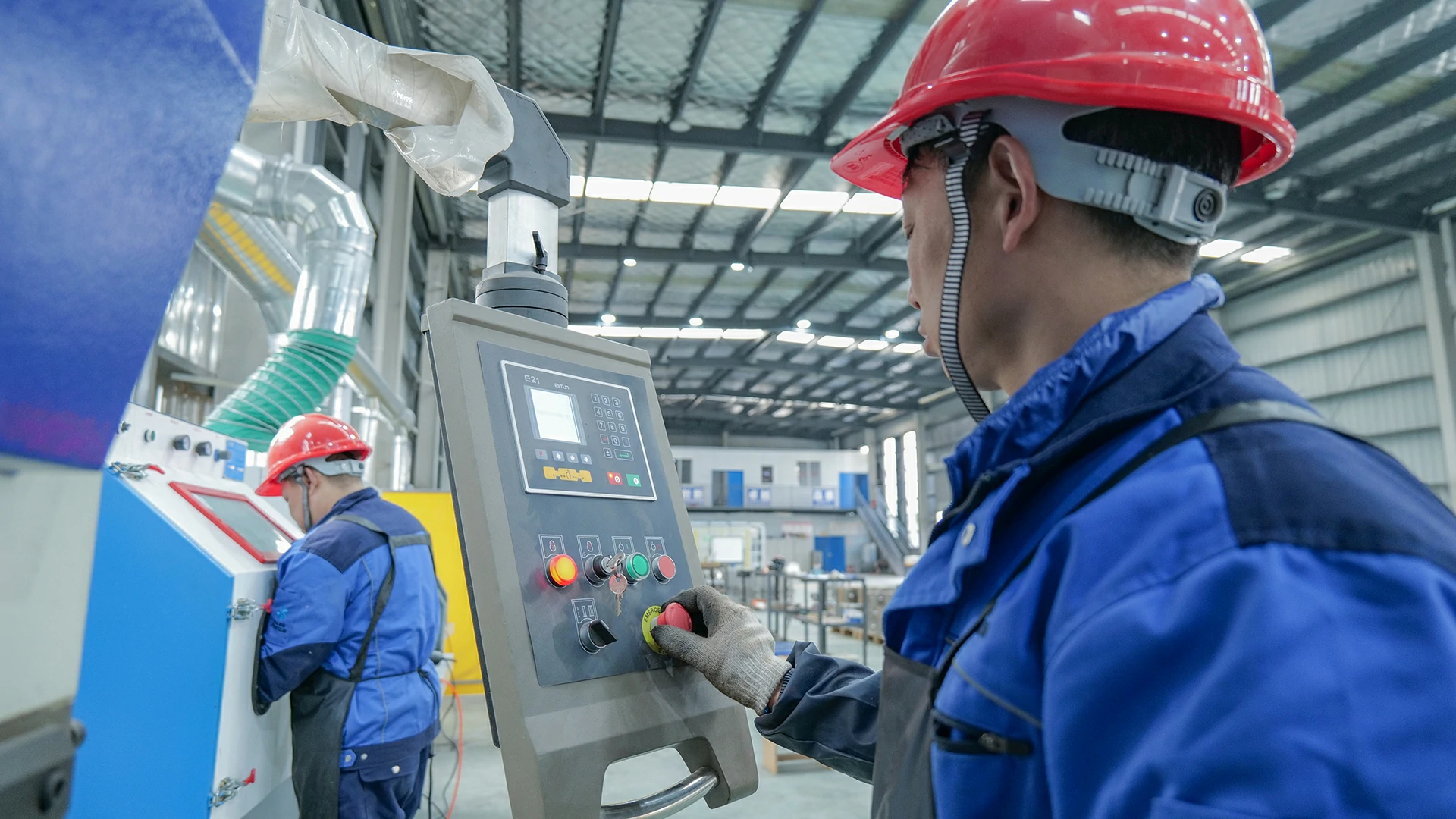
In custom fountain projects, factory-backed suppliers often have an important advantage. They are closer to the actual production process. This can improve coordination between technical planning and manufacturing.
For example, if the fountain layout changes, nozzle combinations need adjustment, or control logic affects equipment selection, a supplier with in-house production capability can usually respond more directly. The gap between quotation, design logic, and actual production is often smaller.
This is particularly important in large fountain projects, where multiple systems must work together. Lighting, pumps, nozzles, control systems, piping, and installation conditions all need coordination. A supplier with real production capacity may be better equipped to manage these relationships than a local contact point without factory control.
When a Local Fountain Supplier Is Still Important
This does not mean local presence has no value. In many projects, local support can be very useful. Depending on the market, this support may come through a local agent, a local partner, or direct coordination arranged around the project.
For example, local support may be useful when:
In these cases, local support can improve convenience and responsiveness. But even then, buyers should still evaluate whether that local support is backed by strong technical capability, manufacturing access, and real project experience behind the quotation.
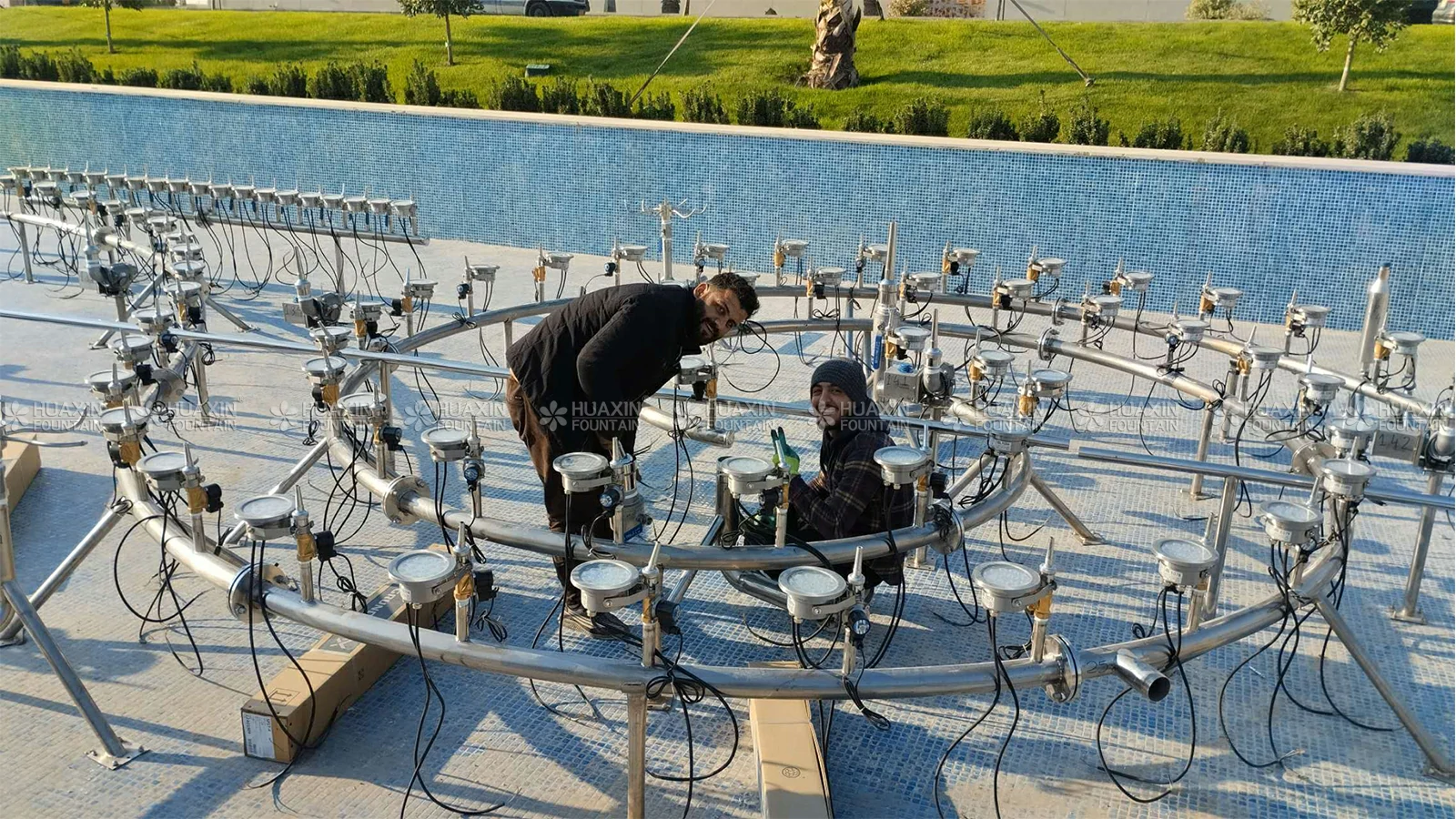
How to Evaluate a Fountain Supplier Beyond Local Presence
Instead of asking only whether the supplier has a local office, buyers should also ask the following questions:
Does the supplier have its own factory?
This helps clarify whether the supplier has direct production control.
Does the supplier have actual production lines for fountain equipment?
This helps confirm whether the quotation is backed by real manufacturing capability.
Has the supplier completed similar projects before?
Relevant project experience often matters more than office location.
Can the supplier support both equipment and technical coordination?
This is important in custom systems where project understanding affects equipment decisions.
Is the support scope clear?
Buyers should understand whether the quotation covers equipment only, or also design support, control integration, installation guidance, programming, testing, and commissioning.
Is the responsibility chain clear?
The buyer should know exactly who is responsible for technical decisions, production follow-up, and after-sales response.
Local Convenience vs Real Delivery Capability
In practice, buyers often choose between two different kinds of confidence.
One type of confidence comes from local convenience. The supplier feels easier to contact and easier to reach. The other type of confidence comes from real delivery capability. The supplier has manufacturing capacity, production control, technical depth, and project experience behind the quotation.
Both matter. But in many custom fountain projects, delivery capability has a greater long-term effect on project success than location alone.
A local contact point may help communication. Real factory and project capability help ensure that the system can actually be produced, integrated, and supported in the right way.
Conclusion
When choosing a local fountain supplier, buyers should not stop at location alone. Local presence can be valuable, and in some markets, local agents or partners may play an important role in communication and project coordination. However, local support is not the same as real technical and manufacturing strength.
What often matters more is whether the supplier has its own factory, real production lines, project understanding, clear technical responsibility, and a structured support system for custom fountain projects.
For commercial fountains, dry deck fountains, musical fountains, and other non-standard water feature projects, the best supplier is not always defined only by where the office is located. It is more often defined by the capability behind the quotation and the support structure behind the project.
About Huaxin Fountain
At Huaxin Fountain, we understand that local support can be valuable in many projects.
Depending on the market, this may be available through local agents or partners in some regions, while in other cases, the project is supported directly by our factory and engineering team. For us, the key is not to rely on one fixed model, but to match the support structure to the actual needs of the project.
At the same time, our own factory and production lines remain an important part of how we support custom fountain projects with direct manufacturing control, technical coordination, and clearer responsibility throughout the supply process.