Home » Blog » 未分类 » How to Plan a Musical Fountain Project

How to Plan a Musical Fountain Project

A practical guide to planning a musical fountain project, covering site conditions, design, budgeting, equipment, installation, commissioning, and operation.

Plan a musical fountain project around more than the desired water effects. The project team also needs to consider the site, audience, budget, equipment, construction interfaces, and long-term operation.

Start by defining what the fountain is expected to do, who will use or view the space, and what information is already available. A site plan, approximate dimensions, project location, and reference videos are usually enough to begin an initial discussion. You can then refine the design and quotation as the technical requirements become clearer.

This guide walks through the main decisions involved in planning a custom musical fountain, from the first project brief to installation, commissioning, and handover.

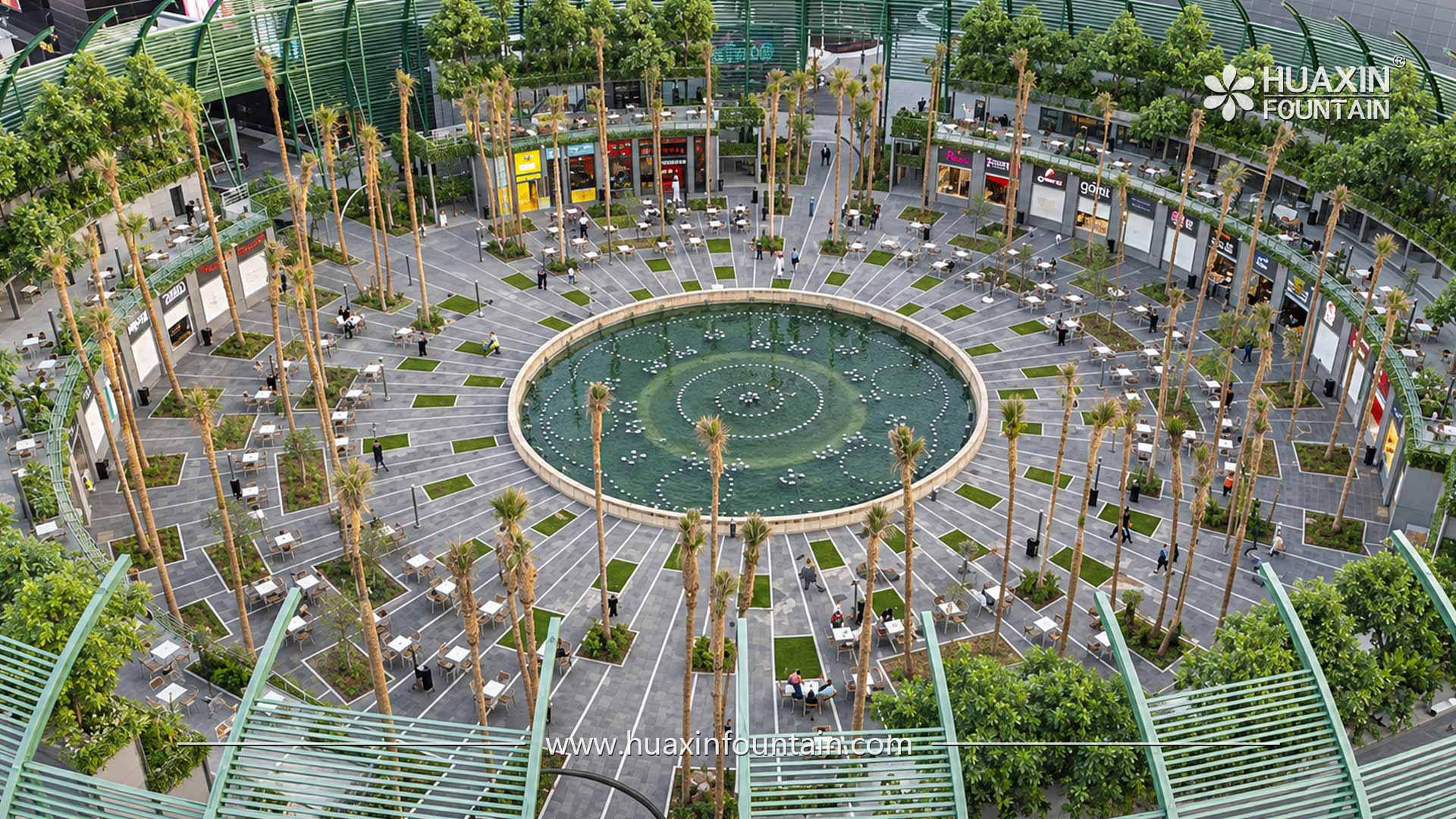
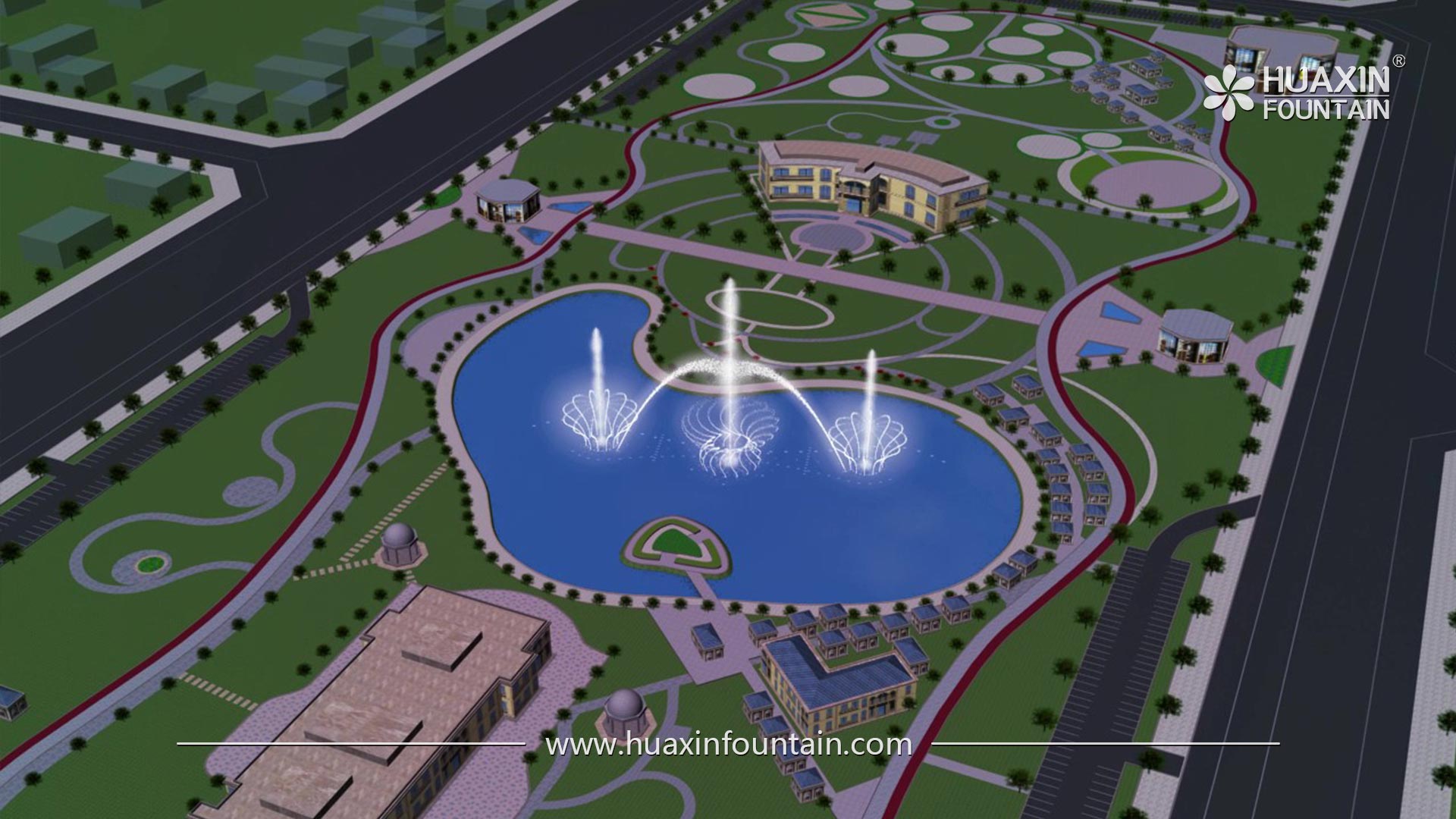
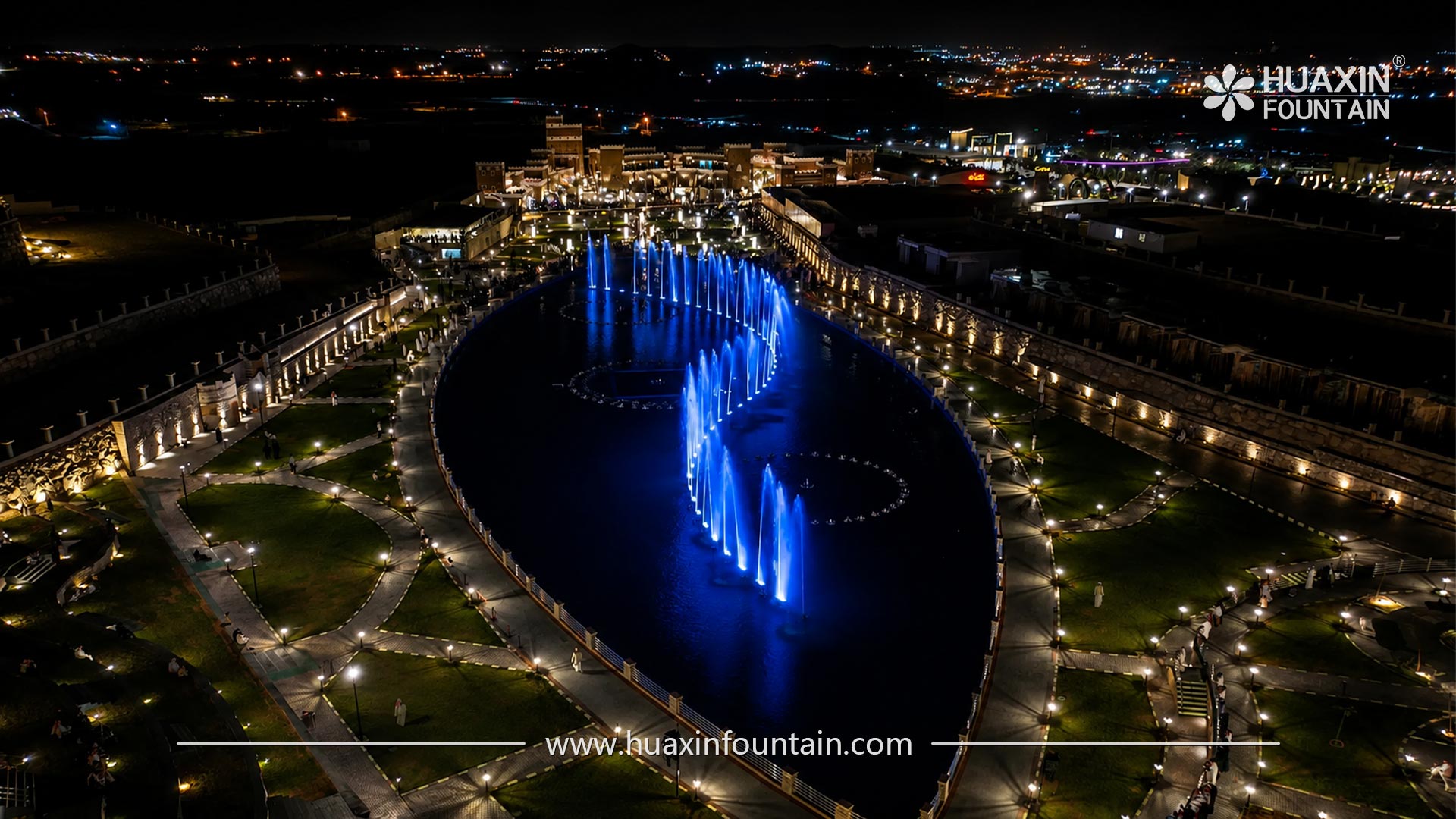
Musical fountain and surrounding resort at Valley Resort in Wadi Bin Hashbal, Saudi Arabia

Musical Fountain Project Planning: The Main Steps

The stages may overlap. For example, a preliminary budget may be prepared before the fountain design is fully developed, while equipment details and site interfaces are refined during the next stages.

StageMain question to answerTypical outcome
Project briefWhat should the fountain achieve?Project goals and preliminary scope
Site assessmentWhat can the site support?Site information and design constraints
Concept designWhat should the audience see and experience?Initial layout and water-effect direction
System planningWhat equipment and infrastructure are needed?Preliminary hydraulic, electrical, and control requirements
QuotationWhat is included in each proposal?Defined equipment and service scope
Production and installationWho supplies and installs each part?Coordinated delivery and site work
Commissioning and programmingDoes the complete system perform as intended?Tested fountain and programmed show
Handover and operationWho will operate and maintain the system?Operating information and support, as agreed

1. Define the Purpose and Scope of the Fountain

The first step is to define the role of the fountain within the wider project. A musical fountain can be a scheduled attraction, a visual focal point, an interactive public space, or part of a larger multimedia show.

Before discussing individual nozzles or lighting fixtures, clarify:

Project application

Is the fountain planned for a resort, shopping mall, public square, tourism destination, lake, or another setting?

Audience

Who will watch or use the space, and where will they be located?

Show experience

Should the fountain run as a scheduled musical performance, operate throughout the day, or support special events?

Visual ambition

Is the project intended to provide a subtle attraction or a large-scale landmark show?

Project scope

Is the client looking for fountain equipment only, or also design, programming, installation guidance, and commissioning?

Target opening date

Is there an event or construction milestone that the fountain needs to support?

A clear project brief helps the design team select an appropriate direction before equipment and costs are fixed. It also gives different suppliers a more consistent basis for preparing proposals.

Example: Planning for an Entertainment Destination

A fountain in an entertainment destination may be viewed by visitors approaching from several directions. Its layout should create a clear visual focus while allowing the water effects to be appreciated from different parts of the surrounding space.

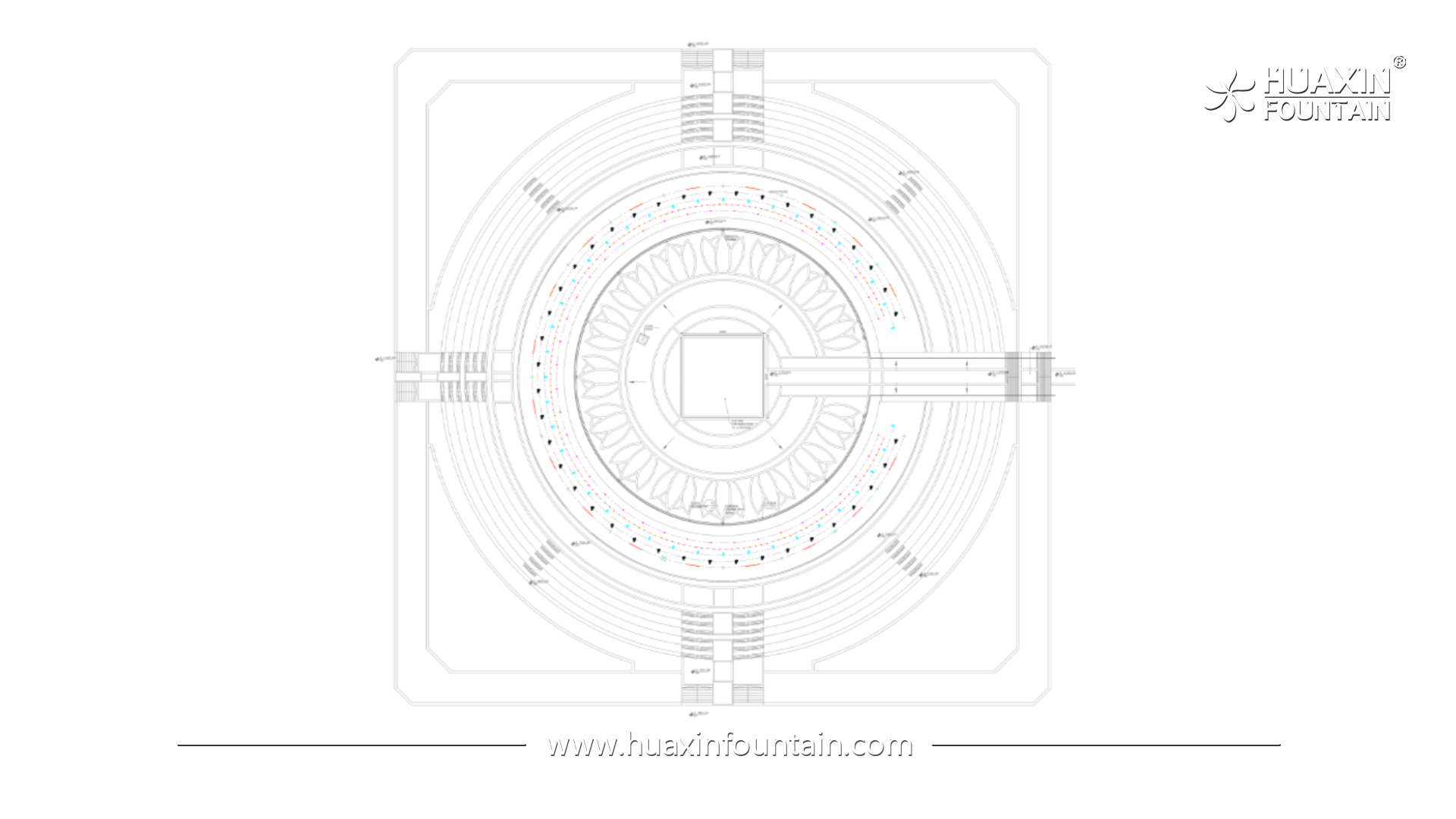
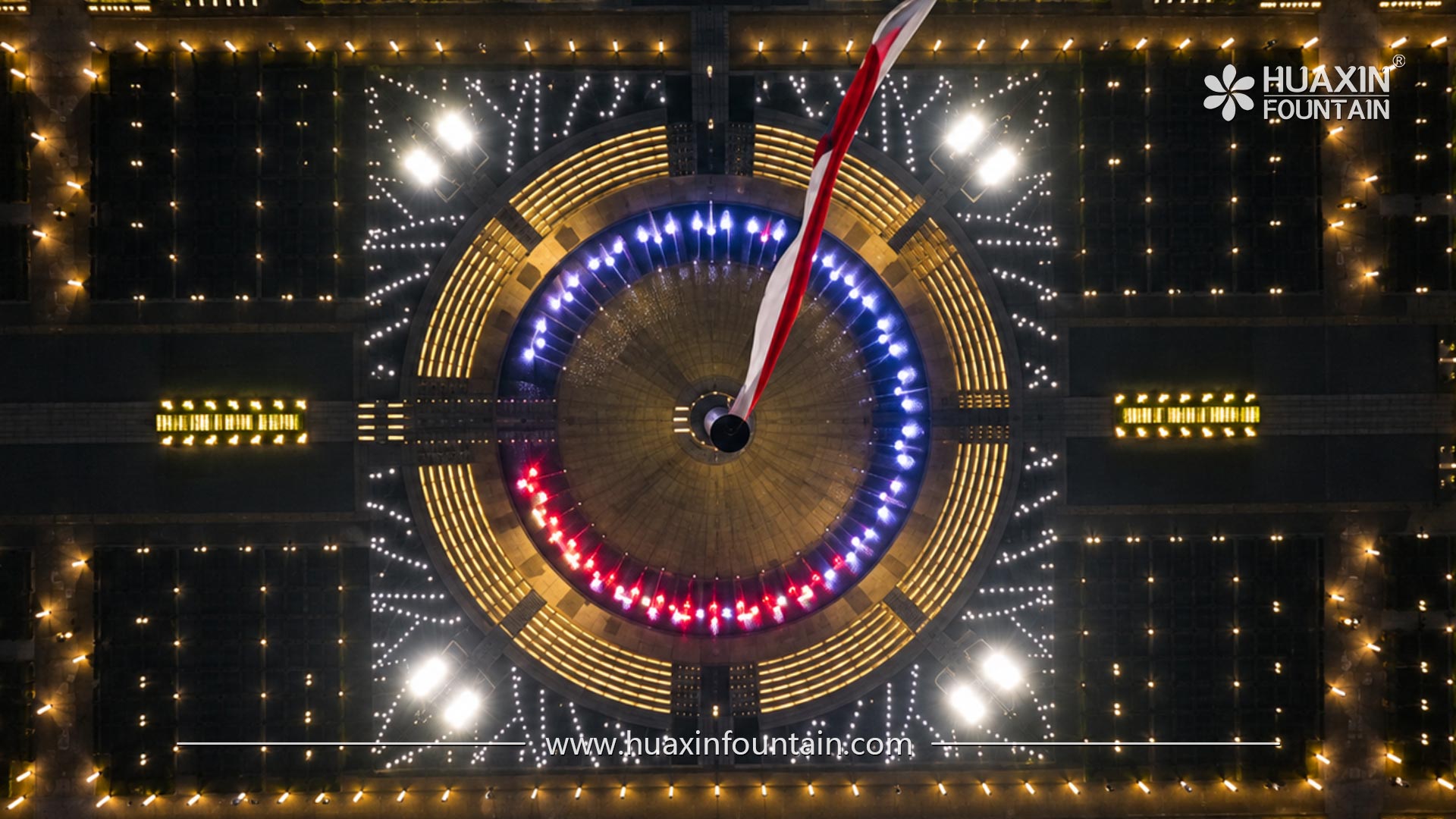
Boulevard Riyadh City dancing fountain with a circular water-effect layout during Riyadh Season

Project example: Boulevard Riyadh City, Saudi Arabia
Developed for Riyadh Season 2021, the Boulevard Riyadh City fountain uses a circular, flower-shaped layout designed to be viewed from different directions. A central high jet provides the main focal point, while surrounding moving and running water effects add rhythm across the pool.

2. Assess the Site Before Developing the Design

The same fountain concept may perform very differently from one site to another. Pool geometry, viewing positions, wind, water supply, and available infrastructure all affect the layout and the equipment required.

A site assessment does not need to be complete before the first conversation. However, identifying the main conditions early helps the design team understand which decisions can be made immediately and which require further confirmation.

Pool Shape, Dimensions and Water Depth

Provide the available pool dimensions and, where possible, a site plan or CAD drawing. For an existing pool, include its current water depth, structure, and any equipment already installed.

For a new pool, the fountain team and the civil design team should coordinate the fountain requirements before the pool structure is finalized. This may include equipment positions, pipe routes, maintenance access, and interfaces with other systems.

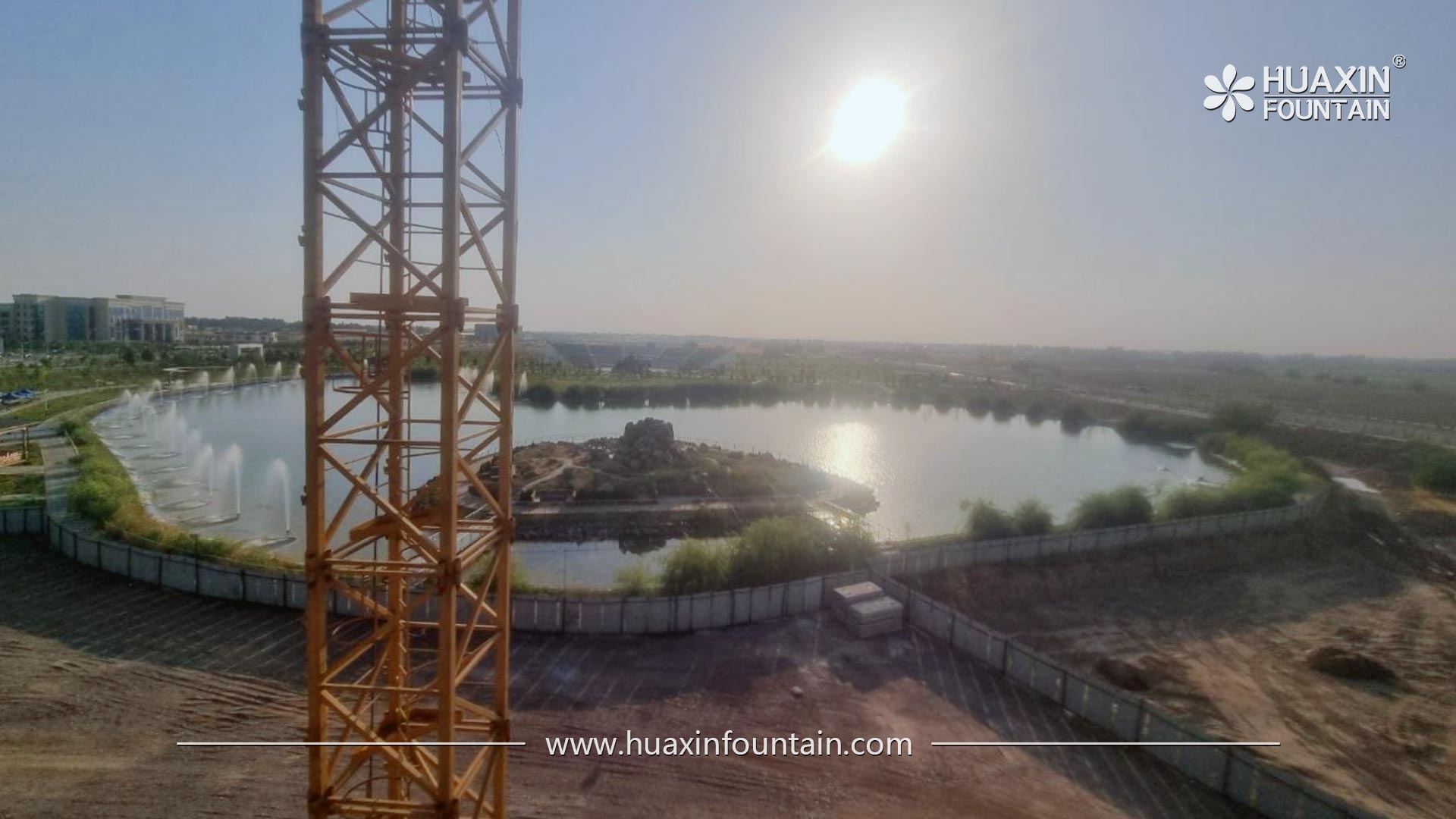
For lake or floating projects, the assessment may also include water-level variation, anchoring conditions, access, and the distance between the fountain and the shoreline.

Viewing Positions and Surrounding Space

Identify the main audience areas and viewing directions. A fountain viewed mainly from one side may be organized differently from a fountain surrounded by visitors.
The design team should also consider:

Distance between the audience and the fountain
Nearby buildings, roads, and pedestrian routes
Important viewpoints such as entrances, terraces, or seating areas
Space for safe operation and maintenance
Areas where water spray should be limited

Wind, Climate and Water Conditions

Wind can change the shape of a water effect and carry spray outside the intended area. Local climate can also influence equipment protection, operating schedules, and maintenance planning.

The project team should share available information about the water source, expected water quality, and any existing water-treatment system. Where the site involves seawater, brackish water, or other challenging conditions, material and equipment selection should be reviewed for the actual environment.

Power, Water Supply and Drainage

The fountain designer needs to understand the available electrical supply and where control equipment can be located. Water supply, make-up water, overflow and drainage arrangements also need to be coordinated with the wider project.

At an early stage, it is acceptable if some information is still being developed. Record what is known, identify what remains open, and assign responsibility for confirming each item.

Site Information to Collect

Site informationWhy it matters
Pool or water-area dimensionsEstablishes the available space for the fountain layout
Site plan and elevationsHelps identify levels, surrounding structures, and access
Main viewing areasInfluences the orientation and visual composition
Water depth or water-level rangeAffects equipment layout and installation planning
Wind and climate conditionsHelps assess spray control and operating requirements
Water source and available water-quality informationSupports equipment and water-system planning
Electrical supplyHelps the team review power requirements and interfaces
Equipment room and cable routesAffects control equipment placement and installation
Site accessInfluences delivery, installation and maintenance arrangements

For a practical list of information to share with a fountain supplier, see What Information Is Needed to Quote a Fountain Project?

3. Establish a Preliminary Budget and Define the Scope

A musical fountain budget should be considered alongside the project scope. Two proposals for the same pool may differ because they include different water effects, equipment specifications, installation services, or multimedia systems.

At the planning stage, a budget range helps the design team develop a realistic concept. It does not need to define every final cost, but it should help establish the expected scale and level of complexity.

What Can Affect the Project Cost?

Typical cost factors include:

Fountain layout, water area, and desired spray heights
Number and type of water effects
Pumps, pipework, valves, and other hydraulic equipment
Underwater lighting and lighting control
Control cabinets, programming, and system integration
Audio, water screen, laser or flame effects, where required
Equipment manufacturing, packaging, and shipping
Installation work, supervision, and commissioning
Civil works, utilities, and equipment-room preparation
Training, documentation, spare parts, and ongoing operation

Not every item is included in every fountain supplier’s quotation. Civil construction, local power connections, water treatment, freight, and site labour may be included, excluded, or handled by another contractor. These boundaries should be confirmed in writing.

Compare Scope Before Comparing Price

When reviewing proposals, ask each supplier to identify:

The fountain layout and effects included
Equipment types, quantities, and relevant specifications
Control and programming scope
Drawings and documents to be delivered
Installation responsibilities and site support
Testing, commissioning, and training
Shipping terms and delivery destination
Items excluded from the quotation

A lower or higher price does not, by itself, explain whether a proposal is suitable. The comparison becomes more useful when the technical and service scopes are clear.

Example: What to Check in Fountain Proposals
Developed for Riyadh Season 2021, the Boulevard Riyadh City fountain uses a circular, flower-shaped layout designed to be viewed from different directions. A central high jet provides the main focal point, while surrounding moving and running water effects add rhythm across the pool.

Comparison itemWhat to check
Fountain effectsTypes of effects, number of zones and intended spray heights
EquipmentPumps, pipework, lighting and control equipment included in the proposal
MaterialsSpecified materials for equipment and pipework where applicable
Control and programmingControl equipment, show programming and integration scope
InstallationWho provides local labour, technical guidance and site supervision
CommissioningWhether system testing, adjustment and show commissioning are included
ShippingDelivery destination and agreed shipping terms
ExclusionsCivil works, utilities, water treatment, or other items handled separately

The final scope depends on the project requirements and the agreement between the parties.

4. Develop the Fountain Layout and Water-Effect Concept

Once the project goals and site conditions are understood, the design team can develop the fountain layout.

A useful concept should show how the water effects relate to the pool, audience, and surrounding architecture. It should also consider how the fountain will work as a complete show rather than as a collection of unrelated effects.

Create a Visual Hierarchy

Many musical fountain layouts use a combination of:

A main focal point or central feature
Supporting water effects around or beside the focal point
Repeated effects that create rhythm across the pool
Lower-level effects that add detail and transitions
Optional multimedia elements for selected scenes

The arrangement depends on the shape and size of the site. A circular fountain may develop around a central point, while a long pool may need a layout that carries the show across its full length.

Select Water Effects for the Intended Experience

Common water effects can include high jets, running sequences, variable-pattern effects, rotating effects, and moving jets.
For dynamic water movement, single-axis swivel drives (1D) and dual-axis swivel drives (2D) can be considered according to the movement required. Flame, air explosion, water screens, and lasers may be added where they suit the project and the site can support them.
The selection should consider:

Viewing distance and direction
Pool dimensions and available water area
Desired spray height and width
Wind exposure and surrounding space
Visual contrast between effects
Control and programming requirements
Installation and maintenance access
Budget and operating requirements

More effects do not automatically create a better show. A clear composition and well-planned sequences can be more effective than using equipment without a defined visual purpose.

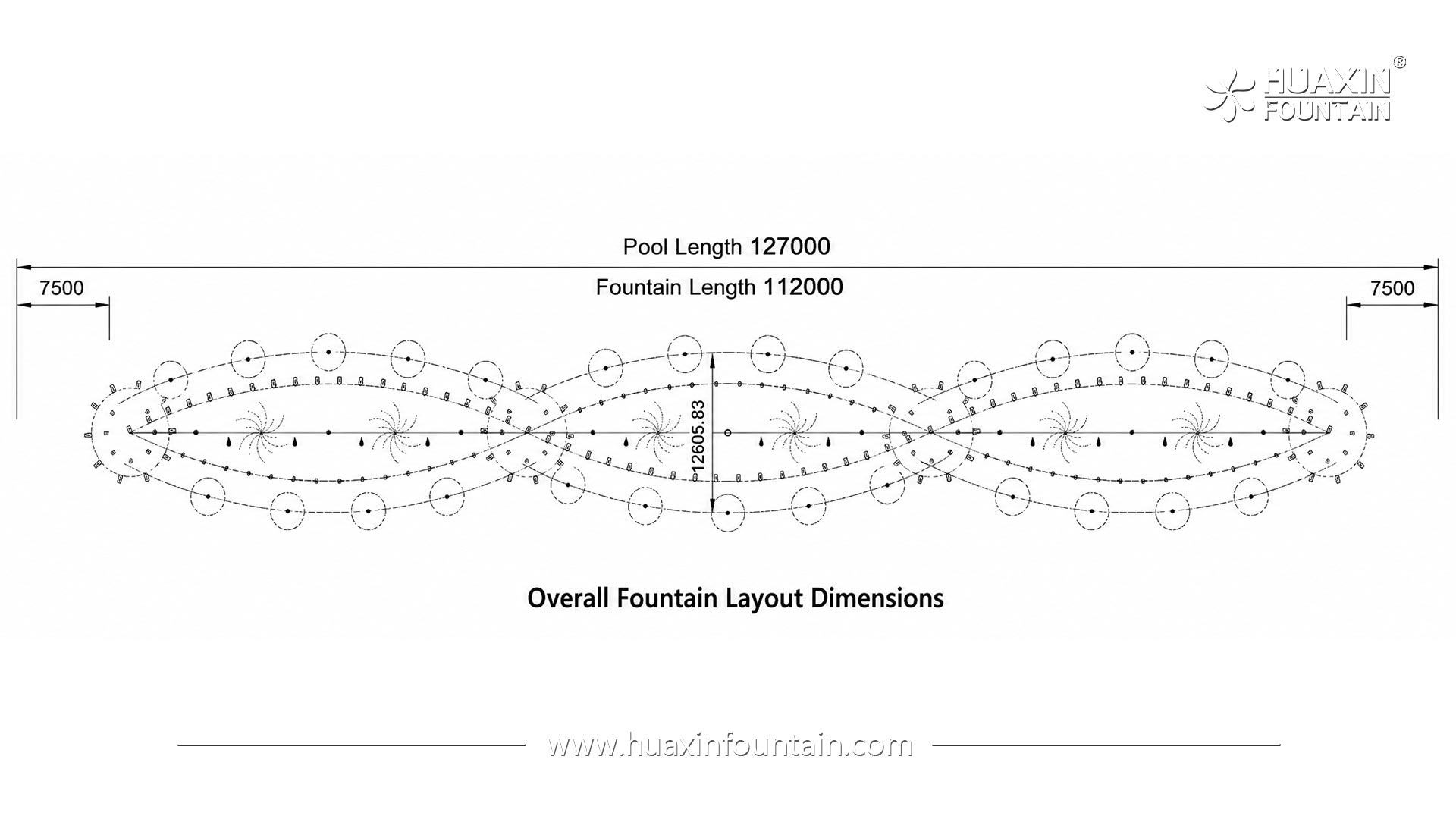
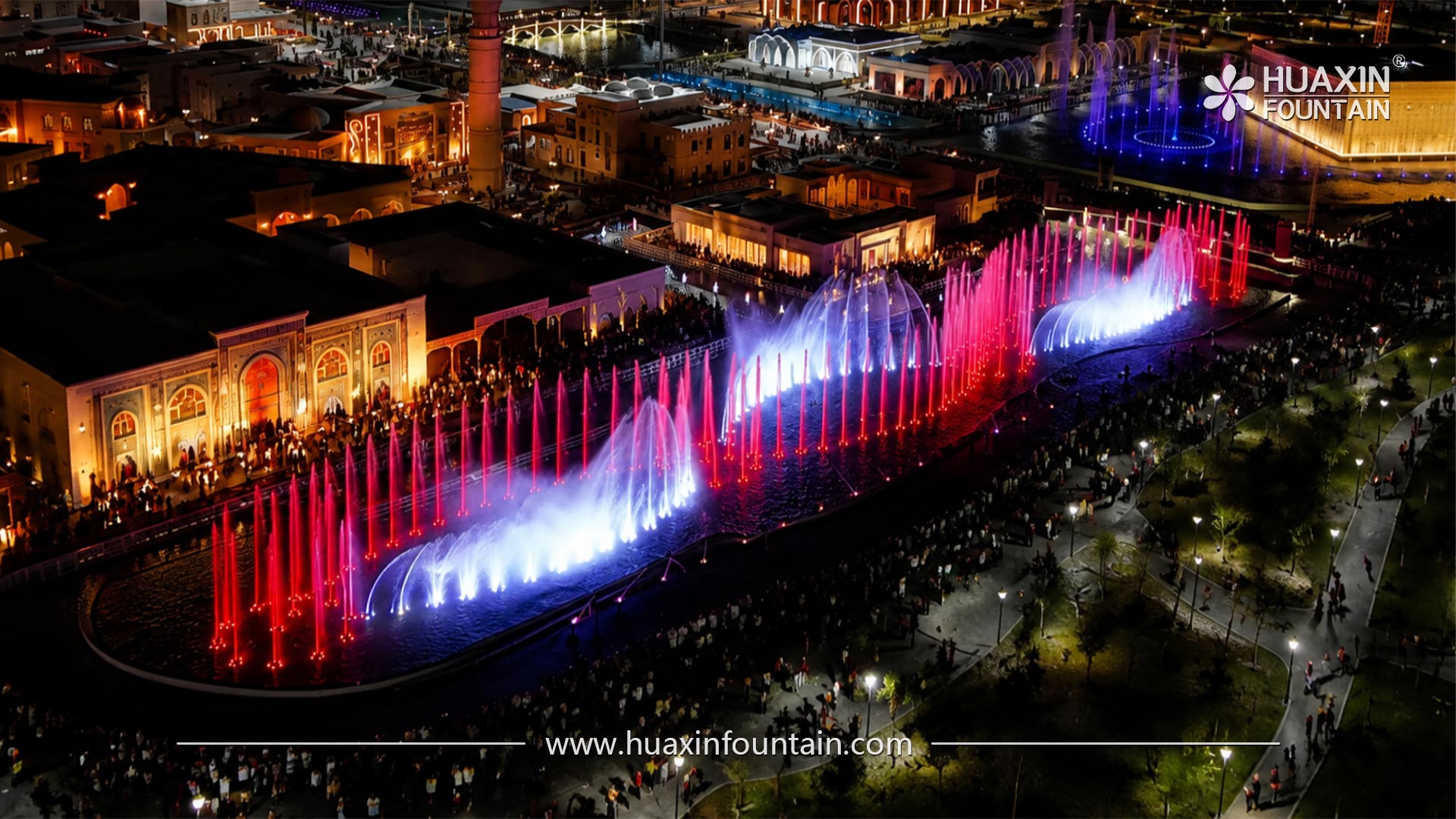
Project example: Margilan City Musical Fountain, Uzbekistan
The Margilan project uses a long axial pool. The fountain layout is organized around a central focus, with water effects extending toward both sides to create rhythm across the pool.

Learn more about the relationship between pool shape, water effects, and visual composition in Fountain Layout Design: Principles, Water Effects, and Visual Planning.

5. Plan the Main Fountain Systems

A musical fountain is a coordinated system. The water effects visible to the audience depend on hydraulic equipment, lighting, electrical systems, controls, and in some projects, additional multimedia equipment.

These systems should be planned together so that the concept can be installed, operated, and maintained.

Hydraulic System

The hydraulic system can include pumps, pipework, valves, manifolds, and fountain nozzles or water-effect devices. The configuration depends on the required flow, pressure, number of effects, and how the fountain is divided into operating zones.

The project team should also clarify how the fountain relates to any pool circulation, filtration, and water-treatment systems. The responsibility for each system may differ between projects.

Lighting System

Underwater lighting should be considered together with the water effects and viewing conditions. Lamp position, beam direction, lighting control, and surrounding ambient light all influence the appearance of the show.

The aim is not simply to select the highest available power. Lighting needs to suit the effect, installation position, and intended visual result.

Control System and Show Programming

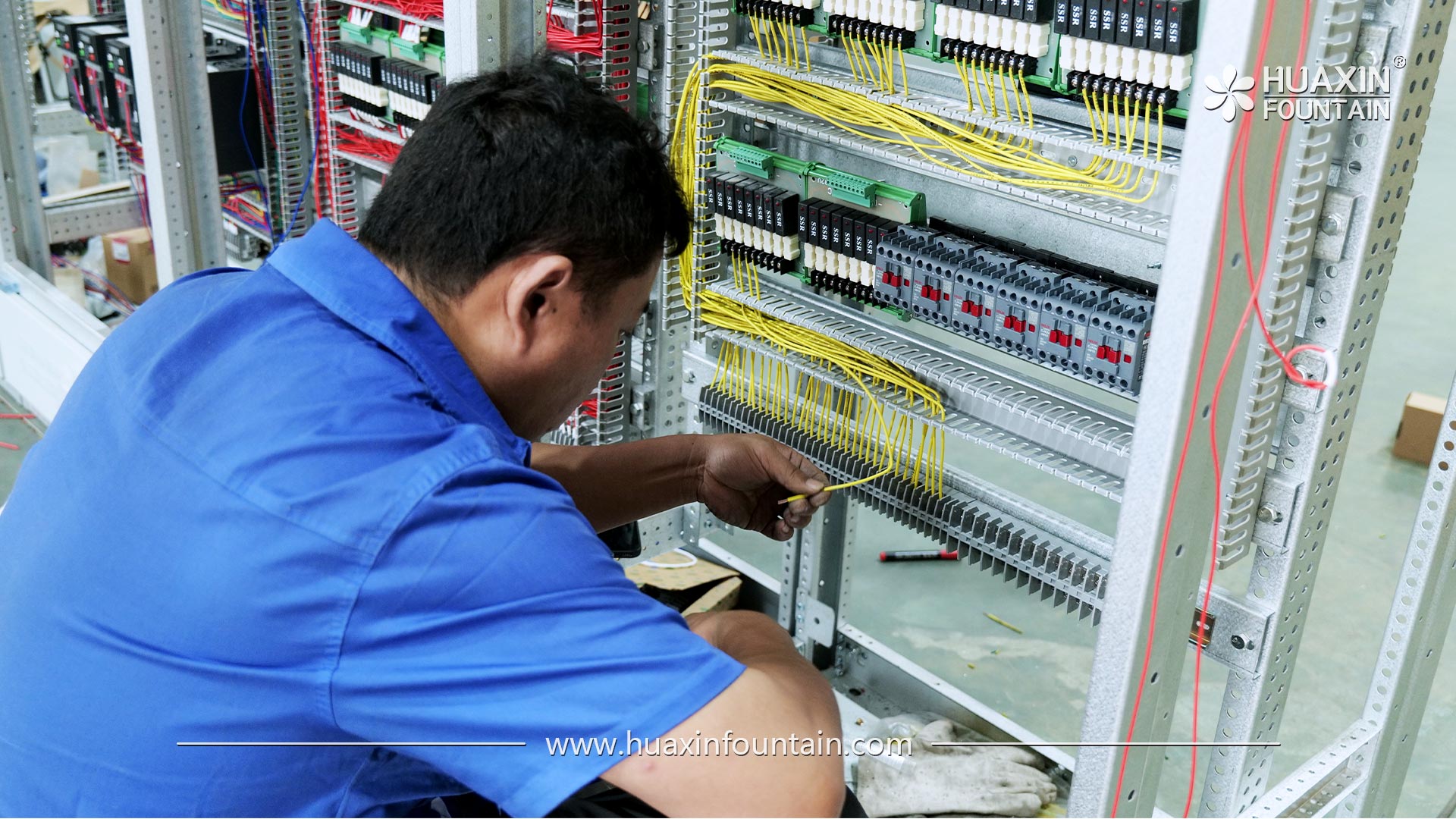
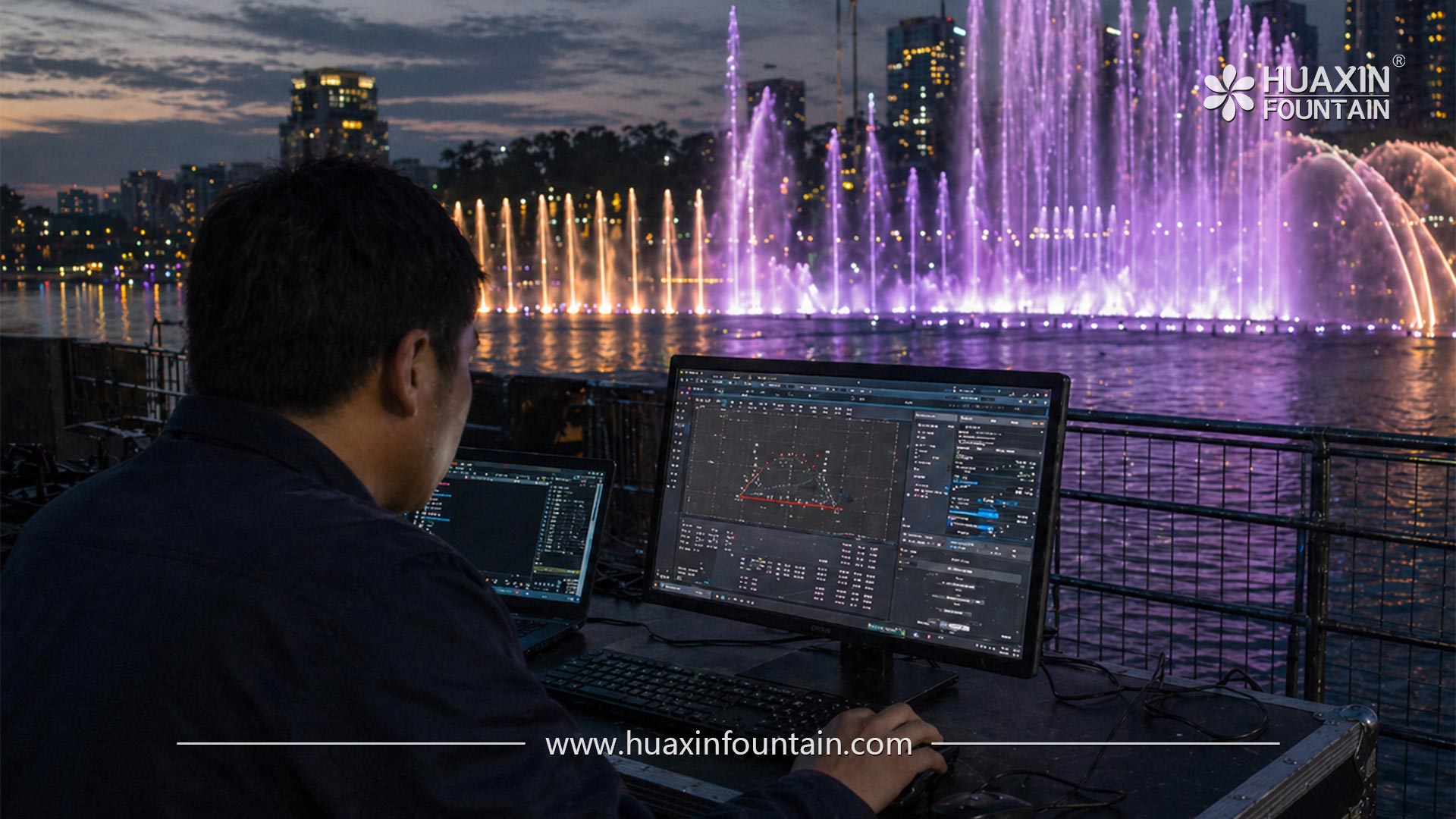
The control system coordinates the operation of pumps, lighting, and other fountain equipment. Depending on the project, the system may use a combination of PLC control, DMX communication, variable-frequency drives, and show-programming software.

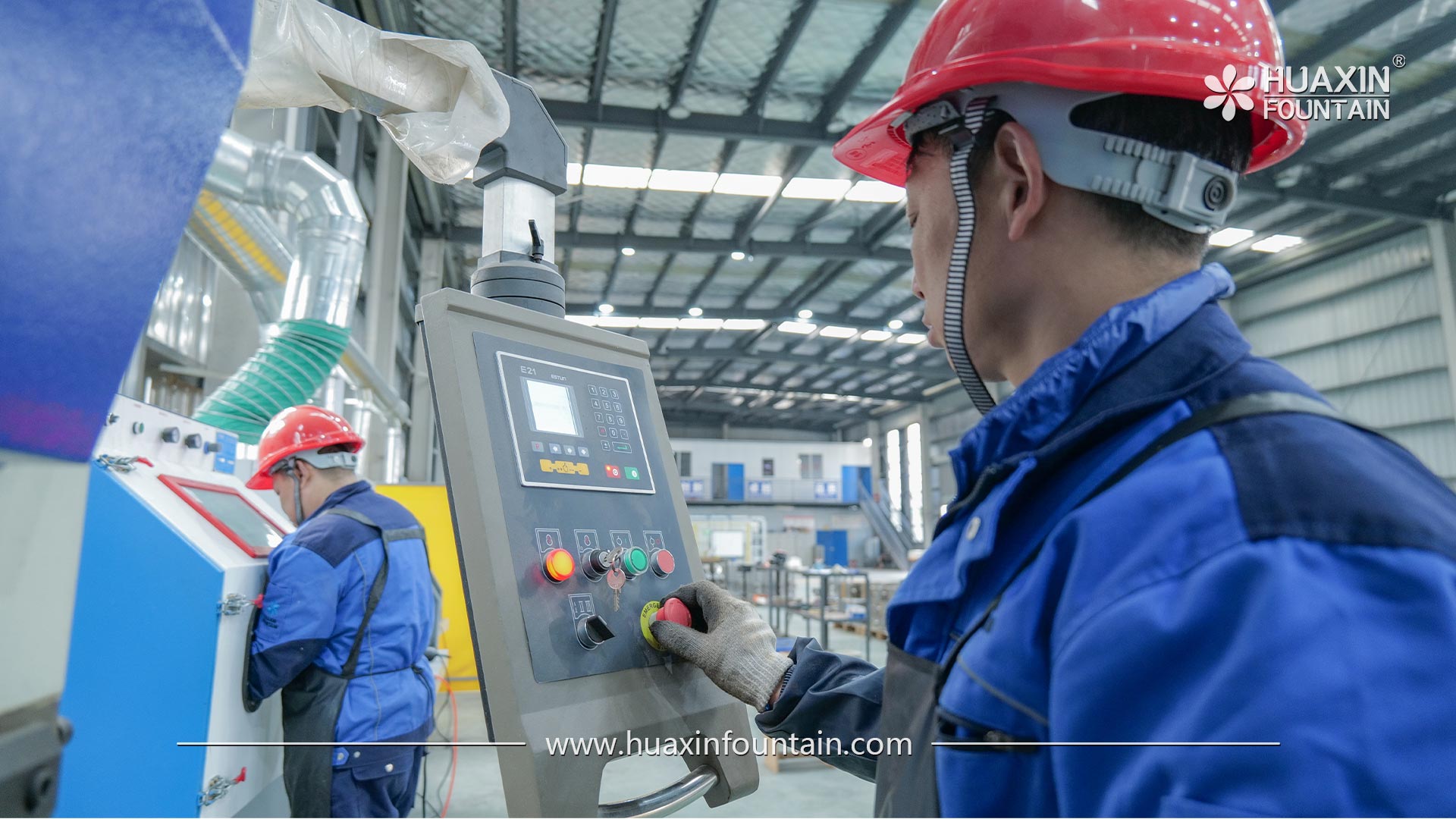
Huaxin Fountain engineer assembling a control cabinet for a musical fountain system

These components perform different functions and may work together within one project. The final control architecture depends on the equipment, operating requirements, and agreed scope.

The project brief should also identify who will prepare the show programme, how music will be supplied and approved, and whether the owner expects to change or add programmes later.

Multimedia and Special Effects

Some projects include water-screen projection, lasers, flame effects, moving-head lights or other multimedia systems. These elements should be considered during the concept stage because they can affect equipment positions, control integration, power requirements, site coordination and operating arrangements.

Where special effects are proposed, their suitability and safety requirements need to be assessed for the actual site and applicable local requirements.

Inside the project: Fountain control equipment is configured according to the selected water effects, lighting, and operating requirements. The exact system architecture and scope are confirmed for each project.

6. Prepare the Information Needed for a Proposal

A complete technical package is not always available at the beginning of a project. Owners can start with the information they already have and add more detail as the concept develops.

For an initial discussion, share:

Project location and application
Site photos and approximate pool or water-area dimensions
Available drawings or a marked-up sketch
Desired water effects and reference photos or videos
Whether music, lighting, or multimedia effects are required
The expected scope: equipment supply, design, installation support, or other services
Target timeline and, if available, an indicative budget range

For a more detailed proposal, the design team may also need information about water depth, site levels, power supply, equipment space, water conditions, installation responsibilities, and local project requirements.
If a BOQ or specification already exists, share it with us and identify any items that are still open to alternatives.

Related guide: What Information Is Needed to Quote a Fountain Project?

7. Select a Supplier and Confirm Project Responsibilities

A fountain supplier should be evaluated on more than equipment price. The project team needs to understand the supplier’s ability to develop the design, provide suitable equipment, and support the project through installation and commissioning.

Questions to ask include:

Can the supplier explain the fountain layout and equipment configuration?
Which equipment is manufactured in-house, and which components are sourced from other suppliers?
What technical documents and drawings will be provided?
How will the fountain control system and show programme be developed?
What experience does the supplier have with similar pool types or project applications?
Who will install the equipment?
Will technical guidance be remote, on-site, or both?
Who is responsible for commissioning, training, and handover?
What support and spare parts will be available after delivery?

The answers should be reflected in the agreed scope. A project described as “turnkey” may still involve work by the owner, civil contractor, electrical contractor, or local installation team.

Clarify the Interfaces Between Teams

On an overseas project, several parties may work together. Depending on the contract, the fountain supplier may provide design, equipment, technical guidance, and commissioning, while local teams carry out civil works or physical installation.

Before work starts, define:

Work itemResponsibility to confirm
Pool and foundationsWho designs and constructs the civil works?
Fountain layout and equipmentWho prepares the design and supplies the system?
Power supply and main connectionsWho provides and connects the site supply?
Equipment installationWho carries out physical installation?
Technical guidanceWho provides instructions and site supervision?
Programming and commissioningWho tests the system and prepares the show?
Training and handoverWhat operating information and support will be provided, and by whom?

The allocation above is a checklist, not a fixed division of work. Actual responsibilities depend on the project and contract.

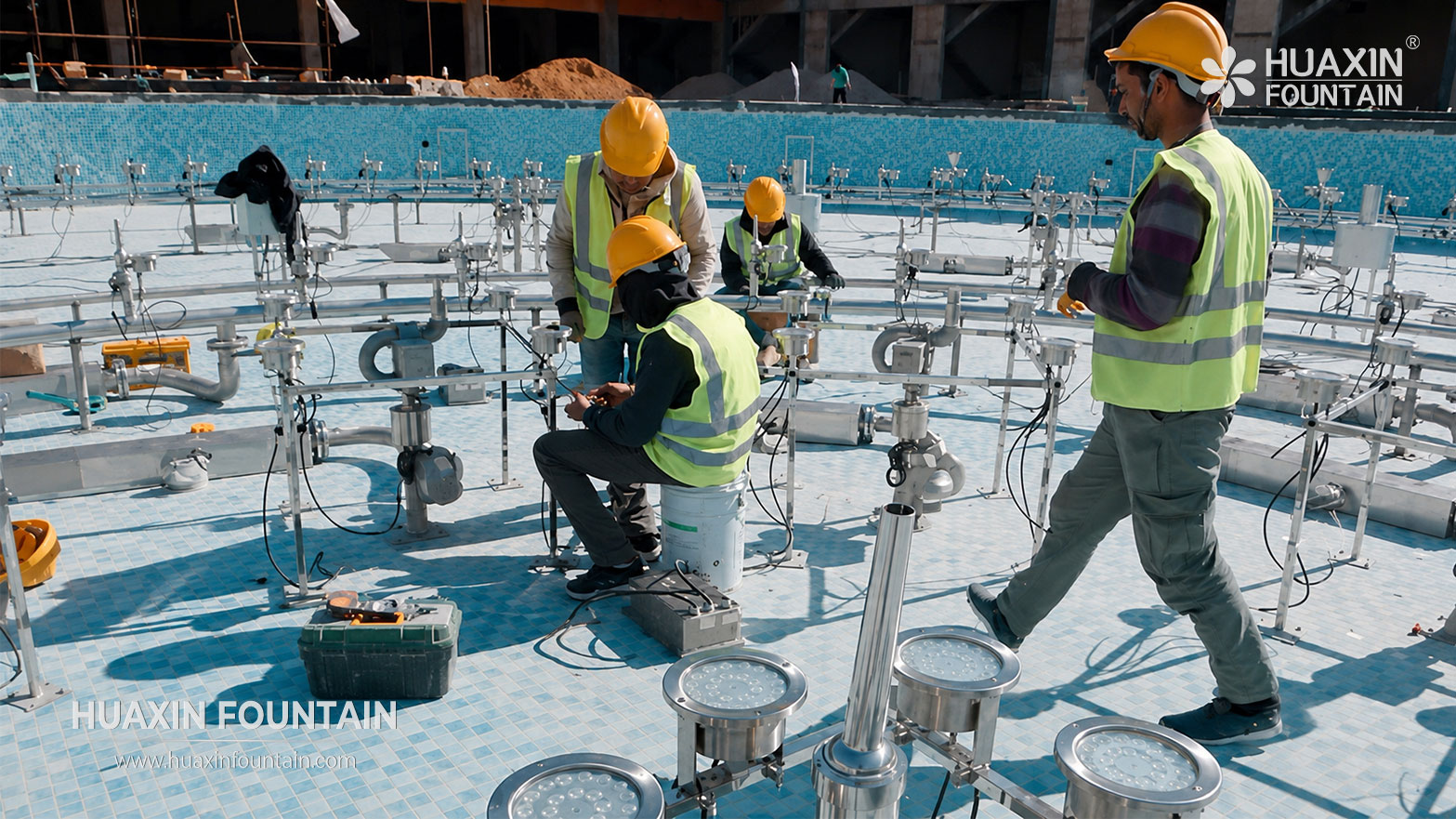
Project example: Installation support in Iraq
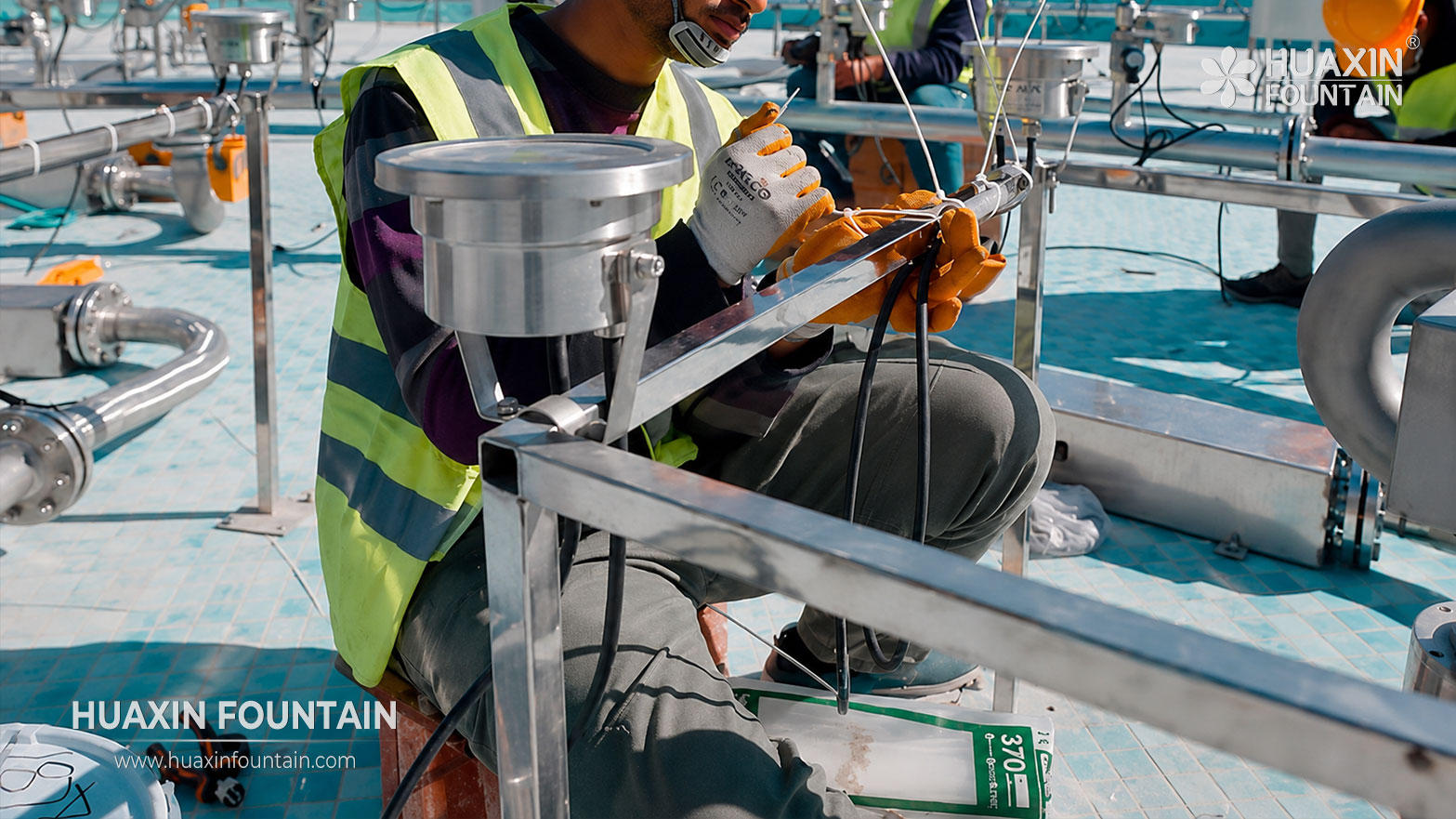
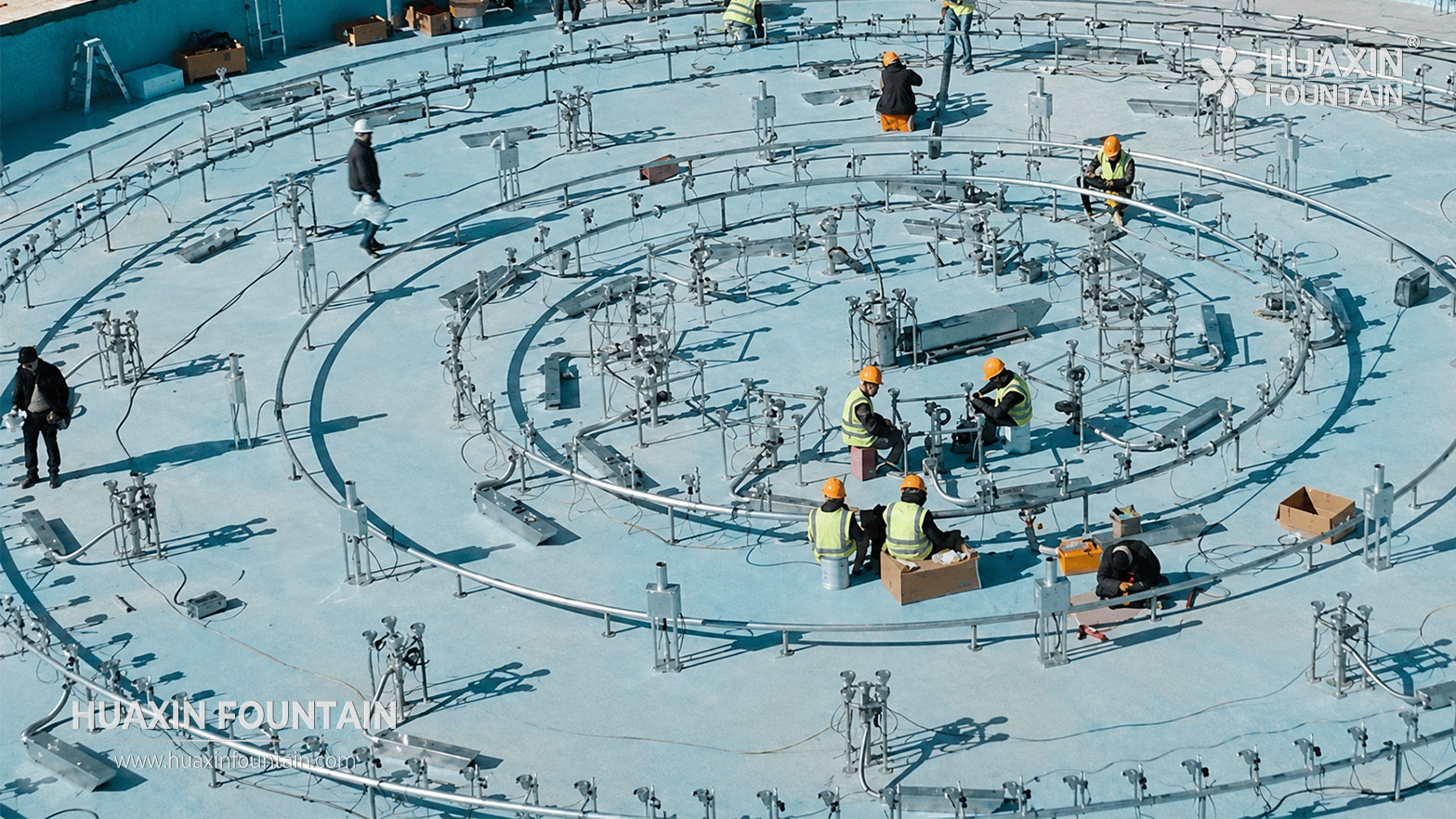
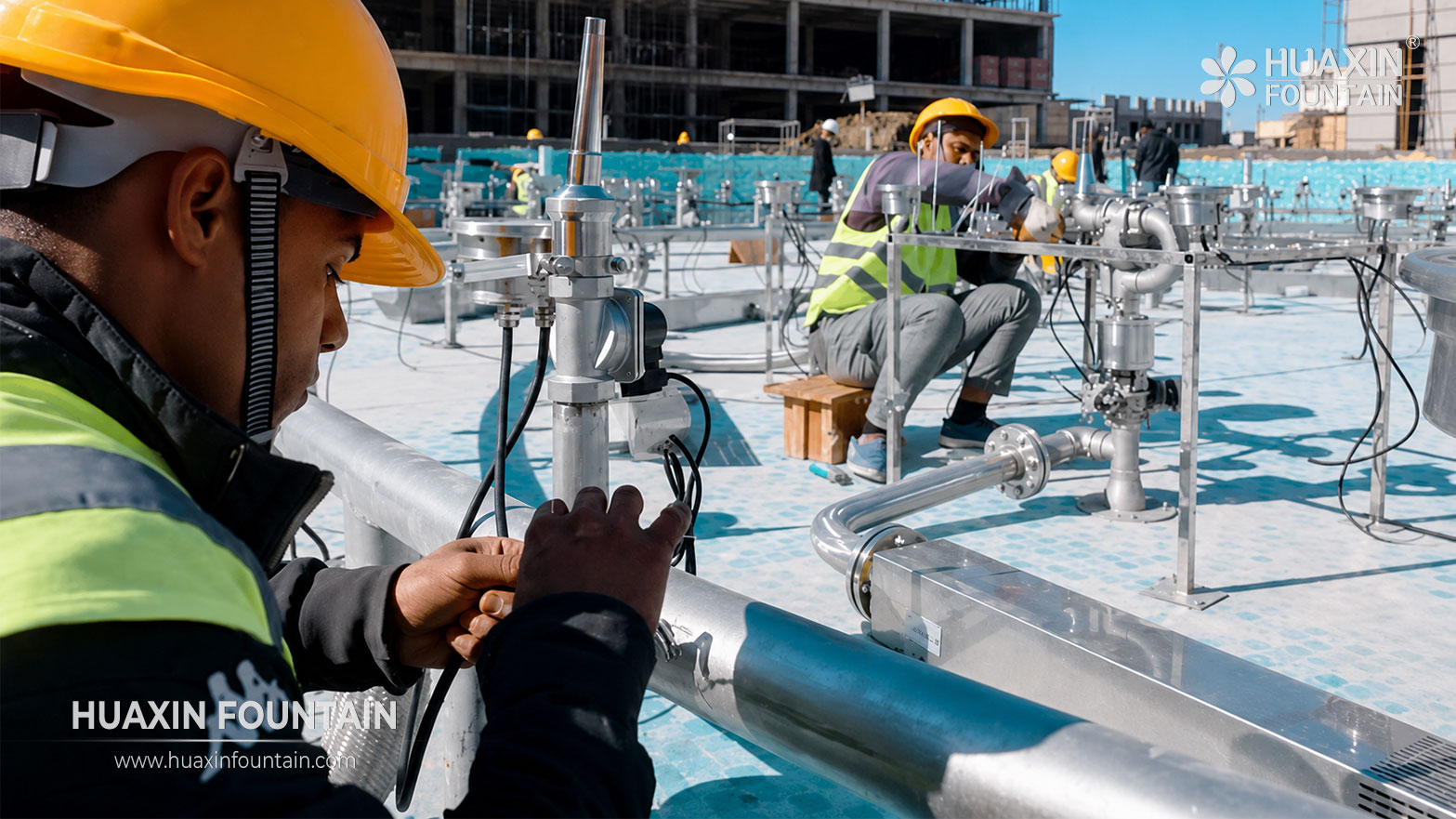
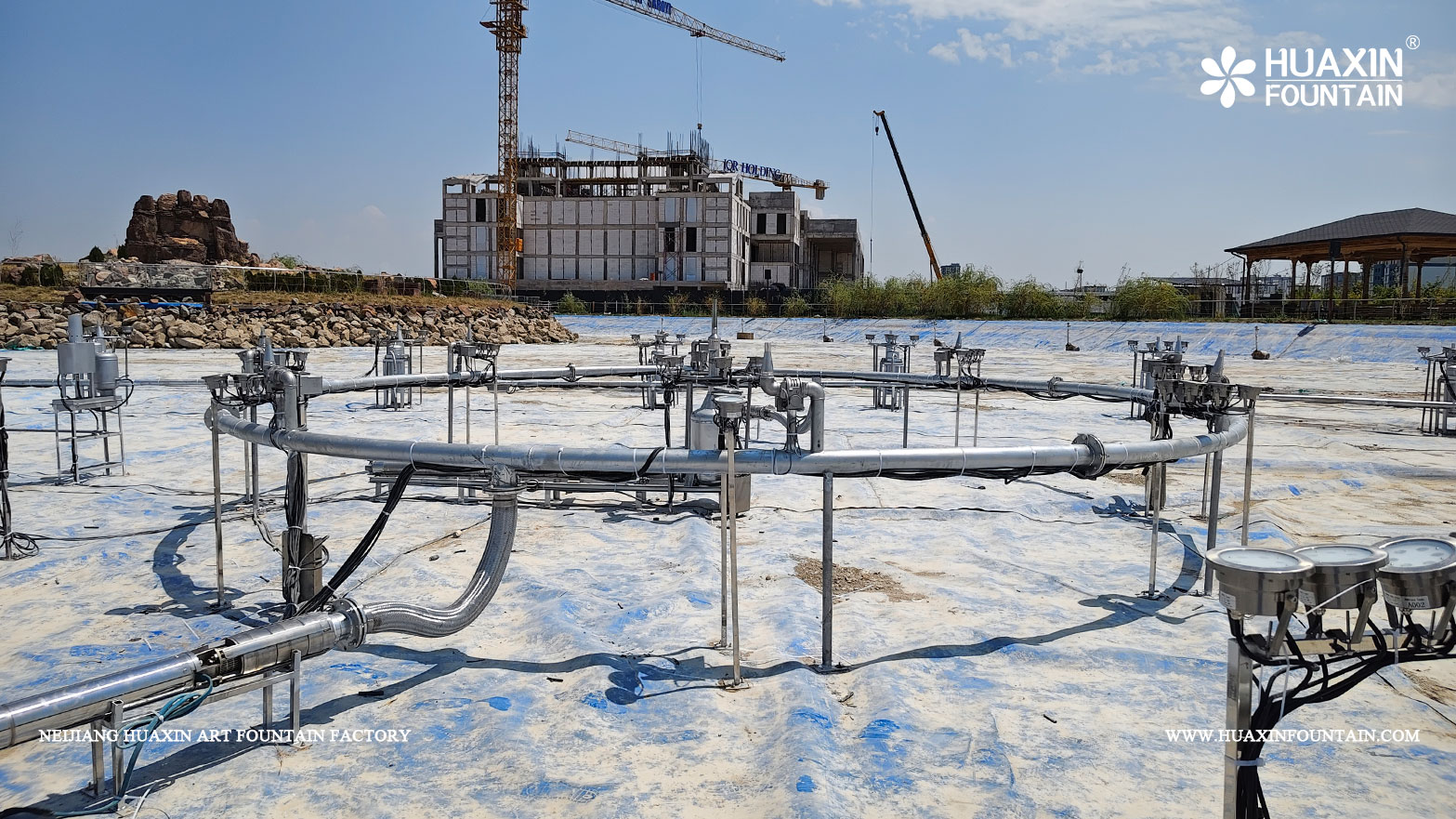
At the Furat Mall project in Najaf, the local installation team carried out the physical installation, while a Huaxin engineer provided on-site technical guidance. The system was then commissioned and programmed for the fountain show.

8. Coordinate Production, Delivery and Site Installation

After the design and supply scope are confirmed, the project moves into detailed coordination.

The fountain team, client, and other contractors should review the delivery schedule against site readiness. Equipment arriving on site does not necessarily mean installation can begin immediately: the pool, foundations, power supply, cable routes, and access may still need preparation.

Before Equipment Production

Confirm the approved design, equipment specifications, and the documents needed for manufacturing. Any changes to the pool, power supply, equipment layout, or project scope should be communicated before they affect production.

Before Shipment

The supplier and client should confirm the delivery destination, shipping arrangement, packing requirements, and documentation. The relevant inspection and testing activities should be agreed according to the equipment and project requirements.

Before Installation

The installation team should have access to the approved layout, equipment list, installation instructions, and relevant site information.
A site-readiness review can include:

Pool or installation area readiness
Equipment foundations and reserved openings
Site access and unloading arrangements
Availability of water and power for installation and testing
Control-room or cabinet location
Pipe and cable routes
Coordination with civil and electrical contractors
Availability of the local installation team

9. Allow Time for Commissioning and Show Programming

Installation is followed by testing, adjustment, and programming. The exact process depends on the system and project scope, but it commonly includes checking equipment connections, testing individual effects, and coordinating the fountain as a complete system.

System Testing and Adjustment

The commissioning team may need to:

Check pumps, valves, lighting, and control connections
Test individual fountain zones and water effects
Adjust nozzle directions and visible water patterns
Check communication between controls and equipment
Test operating sequences and response
Review the interaction between water, lighting, and multimedia systems

Any required safety checks, electrical inspections, and approvals should follow the applicable project requirements and be carried out by the responsible qualified parties.

Music and Show Programming

For a musical fountain, programming coordinates water effects and lighting with selected music. Where the project includes multimedia or special effects, their timing and operation may also need to be integrated.
The project team should confirm:

Who selects and approves the music
The number and intended duration of programmes
Whether different shows are needed for regular operation and special events
Who approves the final performance
Whether the operator needs training to run or manage the programme
The rights and permissions required to use the selected music

Plan Commissioning into the Project Schedule

Commissioning should be included in the project schedule from the beginning. The team needs a prepared site, operational utilities, and sufficient access to test and adjust the system before handover or a planned opening event.

10. Plan for Handover, Operation and Maintenance

A fountain should be planned for the period after the opening show as well as for construction. The owner or operating team needs to understand how to run the system and whom to contact when support is required.

Before handover, the client and supplier should confirm what operating information, equipment documents, and technical support will be provided. The documents and support available depend on the equipment and the agreed project scope.
The project team should also identify who will operate the fountain, how routine checks will be handled, and whom to contact if technical support is needed.

Routine operation may involve checking water conditions, cleaning accessible components, inspecting equipment, and arranging maintenance according to the manufacturer’s instructions and site requirements.

The maintenance approach should reflect the actual equipment, water quality, operating schedule, and local conditions. It should not be based on a generic maintenance interval applied to every project.

Common Mistakes to Avoid When Planning a Musical Fountain

Common mistakeBetter approach
Choosing effects before defining the audience and siteStart with the project purpose, viewing positions and site conditions
Comparing quotations by price aloneCompare equipment, specifications, responsibilities and exclusions
Treating the fountain separately from the pool and utilitiesCoordinate civil, hydraulic, electrical and control interfaces early
Leaving programming until the opening date is nearInclude testing, programming and approval in the project schedule
Assuming every supplier includes the same installation serviceConfirm local labour, guidance, travel and commissioning responsibilities
Focusing only on the opening showPlan for access, operation, documentation and maintenance
Copying another project without reviewing the new siteAdapt the design to the new pool, audience, climate, and budget

Musical Fountain Project Planning Checklist

Before moving forward, use this checklist to review the information available for your project.

Project Brief

□ Project location and application
□ Main purpose and intended audience
□ Desired show experience and operating schedule
□ Target opening date
□ Preliminary budget range, if available

Site and Infrastructure

□ Site plan, pool dimensions or approximate water area
□ Site photos and main viewing positions
□ Water depth or expected water-level range
□ Water supply, drainage and available water-quality information
□ Electrical supply and equipment location
□ Wind, climate and site-access conditions

Design and Equipment

□ Preferred water effects and reference materials
□ Lighting and music requirements
□ Multimedia or special effects, if required
□ Initial fountain layout or design brief
□ Existing BOQ or specification, if available

Delivery and Operation

□ Equipment and service scope
□ Installation and technical guidance responsibilities
□ Delivery schedule and site readiness
□ Commissioning and show-programming requirements
□ Handover documents, training and maintenance responsibilities

You do not need every item completed before contacting a supplier. Start with the information available and identify the remaining questions together.

Frequently Asked Questions

Start by identifying the project location, approximate water-area dimensions, intended audience, and desired show experience. Site photos, drawings, and reference videos help the design team understand the project. The concept and technical scope can then be developed around the site and budget.

Yes. An initial discussion can often begin with approximate dimensions, site photos, a hand sketch, or a marked-up plan. More detailed drawings and site information may be needed as the design and quotation develop.

The cost depends on the fountain size, water effects, spray heights, equipment specifications, control system, site conditions, and scope of supply. A useful comparison should identify what is included in each proposal, including installation, programming, and commissioning where applicable.

The timeline depends on the design approval process, equipment configuration, manufacturing, shipping, site readiness, installation, and commissioning. An indicative schedule can be developed once the scope and project milestones are clearer.

Yes. Depending on the project arrangement, a local contractor can carry out installation with technical guidance from the fountain supplier. The responsibilities for installation, supervision, testing, and commissioning should be agreed in advance.

Yes. Water screens, lasers, and other multimedia effects can be considered where they suit the project. Their positions, control integration, power supply, and site requirements should be reviewed during the design process.

Huaxin Fountain manufactures core fountain equipment and provides project support that can include design, control integration, show programming, installation guidance, and commissioning. The exact equipment and service scope are defined for each project.

An existing fountain may be suitable for an upgrade, but the scope depends on the pool, pipework, pumps, electrical supply, control system, and condition of the installed equipment. Site photos, existing drawings, and equipment information help identify what can be retained and what may need replacement or further assessment.

Share:

Plan Your Musical Fountain Project with Huaxin Fountain

Huaxin Fountain supports custom musical fountain projects from early design and equipment manufacturing to control integration, installation guidance, commissioning, and show programming.

Whether your project is at the concept stage or already has a pool drawing and BOQ, our team can review the information available and discuss the next steps.

Share your project location, site dimensions, drawings or photos, preferred water effects, and expected scope of work to start the discussion.

Address

No. 399, Antai Street, Economic Development Zone, Neijiang City, Sichuan Province, China.

Phone / WhatsApp / WeChat / Telegram

0086 18816238859

Follow Us:

Please enter your full name.
This field is required.
Please enter your company name.
This field is required.
Please enter a valid phone number.
This field is required.
Please describe your requirements in detail.
This field is required.
Scroll to Top